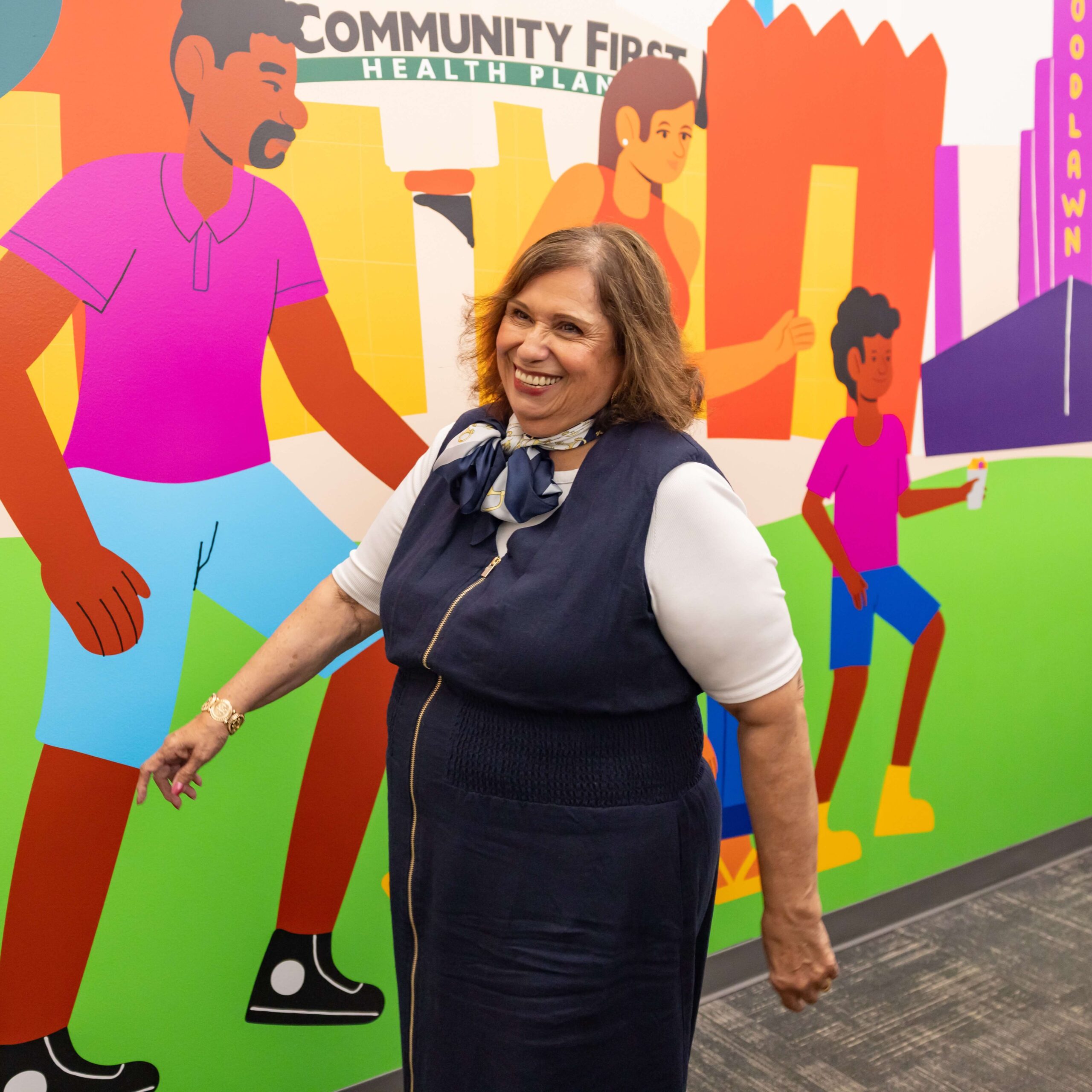
Banner for 30 over 30. Three decades of putting our Community First.

30 Over 30 celebrates remarkable individuals and organizations who have made significant contributions to South Texas communities for over three decades. These honorees exemplify a commitment to philanthropy, selflessness, and leadership, dedicating their time and talents to fostering positive change to uplift those around them. Through their inspiring efforts, they embody the spirit of putting community first and serve as role models for future generations.

Meet the Recipients
Alamo City Arts logo

Alamo City Arts

Represented by Cory McRae
President and CEO

Alamo City Arts makes the arts come alive by ensuring that they are more accessible to more people locally. Art has inspired and connected people for thousands of years, and ALAMO City Arts brings that sense of wonder…

Read more

Any Baby Can logo

Any Baby Can

Represented by Jenny Hixon
President and CEO

For more than 40 years, Any Baby Can of San Antonio has stood for one simple truth: families thrive when they’re treated with dignity, support, and human connection. The nonprofit provides free, in-home services for…

Read more

The Arc of San Antonio logo

The Arc of San Antonio

Represented by Dona Kotzur
President and CEO

The Arc of San Antonio helps people live their best lives. That’s the goal, every day. Founded in 1954 by parents who believed their children with intellectual and developmental disabilities…

Read more

San Antonio AVANCE logo

AVANCE San Antonio

Represented by Yesenia Alvarez-Gonzalez
Executive Director

Opportunity. Education. Connection. AVANCE San Antonio delivers all three for families starting their learning journey. The nonprofit provides parenting education and early childhood education…

Read more

Big Brothers Big Sisters of South Texas logo

Big Brothers Big Sisters of South Texas

 Represented by Denise Barkhurst
President and CEO

At Big Brothers Big Sisters of South Texas, the mission is mentorship. The heart is trust. The impact is lifelong. For nearly 50 years, Big Brothers Big Sisters of South Texas has matched young people with caring adult mentors. Under…

Read more

Brighton Center logo

Brighton Center

Represented by Katrina Campbell
CEO

Under the leadership of Chief Executive Officer Katrina Campbell, Brighton Center has served as a lifeline for local children with disabilities or developmental delays and their families for more than five decades. Brighton Center delivers…

Read more

Children Achieving Maximum Potential CAMP logo

Children’s Association for Maximum Potential (CAMP)

Represented by Susan Osborne
CEO

“Belonging:” More than a mere feel-good concept, belonging defines the entire mission in action at CAMP. The Children’s Association for Maximum Potential (CAMP) creates spaces where people with disabilities…

Read more

The Carver Cultural Arts Center logo

The Carver Cultural Arts

Represented by Cassandra Parker-Nowicki
Executive Director

Art lives at The Carver Cultural Arts Center. So does history. For nearly a century, the Carver has been a hub of creative expression, cultural preservation, and community care on San Antonio’s East Side. Established in 1929…

Read more

CentroMed logo

CentroMed

Represented by Ernesto Gómez, Ph.D.
President and CEO

Access to care changes lives. CentroMed makes it possible for families who may otherwise go without essential medical services. Founded more than 50 years ago by President and CEO Dr. Ernesto Gómez, CentroMed was born out of…

Read more

Clarity Child Guidance Center logo

Clarity Child Guidance Center

Represented by Jessica Knudsen, LCSW, FACHE
President and CEO

Healing starts with listening. At Clarity Child Guidance Center, it also starts with trust. Founded in 1886 as the Protestant Home for Destitute Children, Clarity has grown into a leading nonprofit in South Texas…

Read more

CommuniCare logo

CommuniCare

Represented by Paul Nguyen, MHA
President and CEO

Health care can be confusing. CommuniCare makes it simpler. For more than 50 years, CommuniCare has worked to ensure families get timely, affordable care regardless of income or insurance. The nonprofit offers…

Read more

Down Syndrome Association logo

Down Syndrome Association of South Texas

Represented by Brian Lopez
Executive Director

Support for every life stage. Connection at every turn. Those are the promises the Down Syndrome Association of South Texas (DSASTX) has worked to uphold for decades. Each year, the organization delivers more…

Read more

Logo of Health Collaborative

Health Collaborative

Represented by Elizabeth Lutz
Executive Director

Community. Collaboration. Trust building. Access to quality health care. These tenets drive the work of the Health Collaborative to improve our community’s health outlook. To this end, they have united a mighty collective of great minds and servant leaders from…

Read more

House of Neighborly Service

House of Neighborly Service

Represented by Sandra Morales
Executive Director

Sometimes care looks like a hot meal, paying someone’s utility bill on time, or helping a child process big feelings through play. At House of Neighborly Service, these everyday moments reflect more than a century of community care. Now…

Read more

MLK Commission logo

San Antonio Martin Luther King Jr. Commission

Represented by Dr. Doshie Piper
Commission Chair

Unity. Service. Legacy. The San Antonio Martin Luther King Jr. Commission works year-round to keep all three pillars alive in our community. As Commission chair, Dr. Doshie Piper leads the city-appointed…

Read more

NAMI (National Alliance on Mental Illness) logo

NAMI San Antonio

Represented by Doug Beach
Executive Director

San Antonio is developing a more robust network of mental health support, with NAMI San Antonio leading the charge. The nonprofit supports individuals and families affected by mental health conditions through free classes, peer-led support groups…

Read more

opportunity home logo

Opportunity Home

Represented by Michael Reyes
President and CEO

For thousands of San Antonio families, Opportunity Home is more than housing assistance – it’s stability, resources, and a path forward. As the largest affordable housing provider in Texas, the organization serves more than…

Read more

Project Mend logo

Project MEND

Represented by Cathy Valdez
CEO

Mobility changes everything. Project MEND makes it possible. Based in San Antonio, Project MEND provides refurbished medical equipment to people across Texas who might otherwise go without. From walkers and…

Read more

Project Quest logo

Project Quest

Represented by Francisco Martinez
President and CEO

It began as a response to a factory closure, and 32 years later, Project QUEST continues to reflect the grit and determination of the community it serves. Project QUEST helps San Antonians build sustainable careers through every… 

Read more

San Antonio Aids Foundation logo

San Antonio AIDS Foundation

Represented by Cherise Rohr-Allegrini
CEO

Testing can save lives. Treatment changes them. The San Antonio AIDS Foundation (SAAF) delivers both with urgency and compassion. Founded in 1986 at the height of the AIDS epidemic…

Read more
San Antonio Food Bank logo

San Antonio Food Bank

Represented by Eric Cooper
President and CEO

At the San Antonio Food Bank, access to food and nourishment is the first step toward stability, health, and opportunity. Each week, the organization serves more than 100,000 people across 29 counties. But food alone…

Read more

San Antonio Hispanic Chamber of Commerce logo

San Antonio Hispanic Chamber of Commerce

Represented by Luis Rodriguez
President & CEO

Small businesses are the heartbeat of San Antonio’s economy. The San Antonio Hispanic Chamber of Commerce helps them grow, stay rooted, and thrive. Established in 1929 by…

Read more

San Antonio Zoo logo

San Antonio Zoo

Represented by Tim Morrow
President and CEO

Conservation. Education. Community pride. The San Antonio Zoo brings all three together in ways that inspire visitors long after they leave. Under President and CEO Tim Morrow, the nonprofit works to inspire people to “LEAP,” which stands…

Read more

the YMCA logo

YMCA of Greater San Antonio

Represented by Louis Lopez
President and CEO

The YMCA of Greater San Antonio improves local access to wellness, connection, and care.
For nearly 150 years, the Y has been a steady presence in the region. Today, it offers more than fitness…

Read more
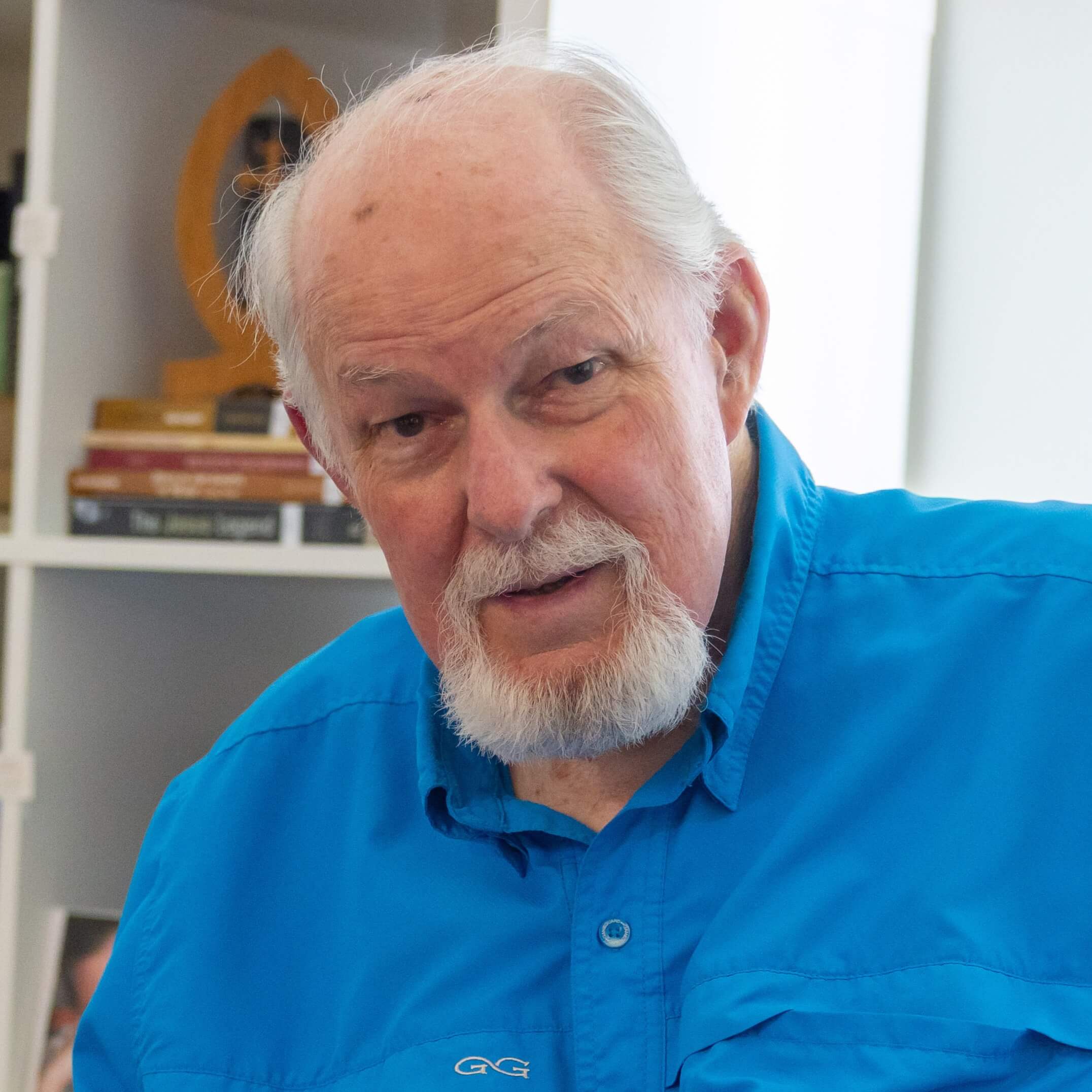
Charles Kight wears a bright blue button-down shirt with bookshelves in the background.

Charles Kight

Community First Health Plans
Former CEO and President

Building a community-based health plan from the ground up requires vision, persistence, and the right people. As the first CEO of Community First Health Plans, Charles Kight embodied all three. When Community First…

Read more

George B. Hernández Jr. wearing a blue suit and striped shirt stands outside a building with a sign that reads "Community First Health Plans".

George B. Hernández

University Health
CEO (Retired)

George B. Hernández Jr. devoted his career to improving the lives of people in South Texas. Hernández spent 41 years with University Health, working to transform health care in San Antonio, one project, partnership, and patient at a time…

Read more

Mary Helen Gonzalez wearing a dark blue blazer and a patterned scarf.

Mary Helen Gonzalez

Community First Health Plans
Executive Director of Member Services

Care for our Members. Believe in our team. That’s how Mary Helen Gonzalez has helped lead Community First Health Plans into something greater than she ever imagined. As Executive Director of Member…

Read more

Ashley Green and Veronica Simpkins wearing LATCHED branded polo shirts smiling at the camera outside.

Ashley Green and Veronica Simpkins

Latched
Co-founders and Co-executive directors

Latched is transforming how families in San Antonio receive care during pregnancy and early childhood. The non-profit takes a personal, practical approach built on trust. Co-founders and co-executive… 

Read more
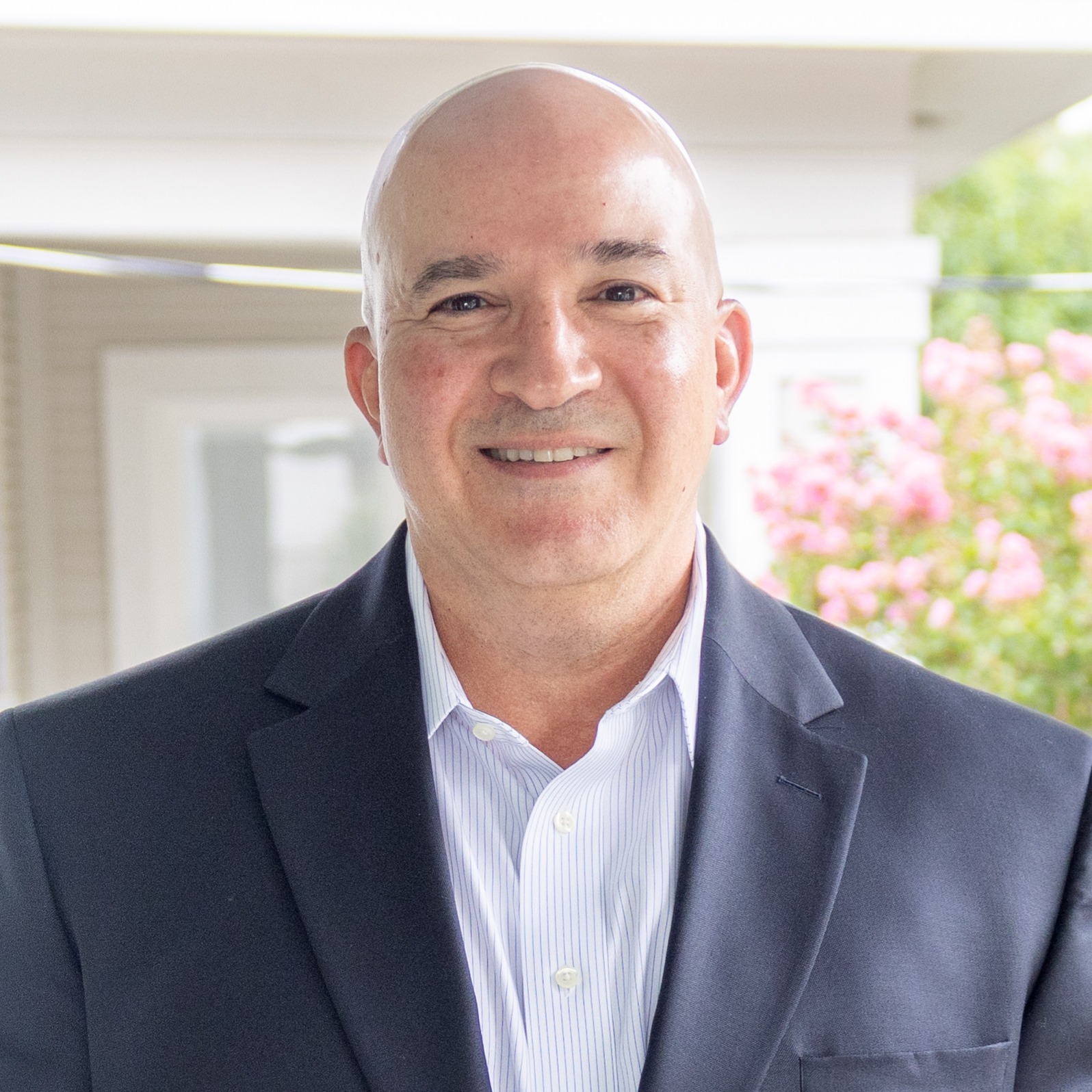
Rene Escobedo in a dark suit and white striped shirt smiles for a professional headshot outdoors with pink flowers in the background.

Rene Escobedo

Community First Health Plans
Vice Chair (Longest-serving Board Member)

As Community First Health Plans’ longest-serving board member, Rene Escobedo has consistently demonstrated purpose and persistence since 2002. With a background in accounting and law, he brings a….

Read more
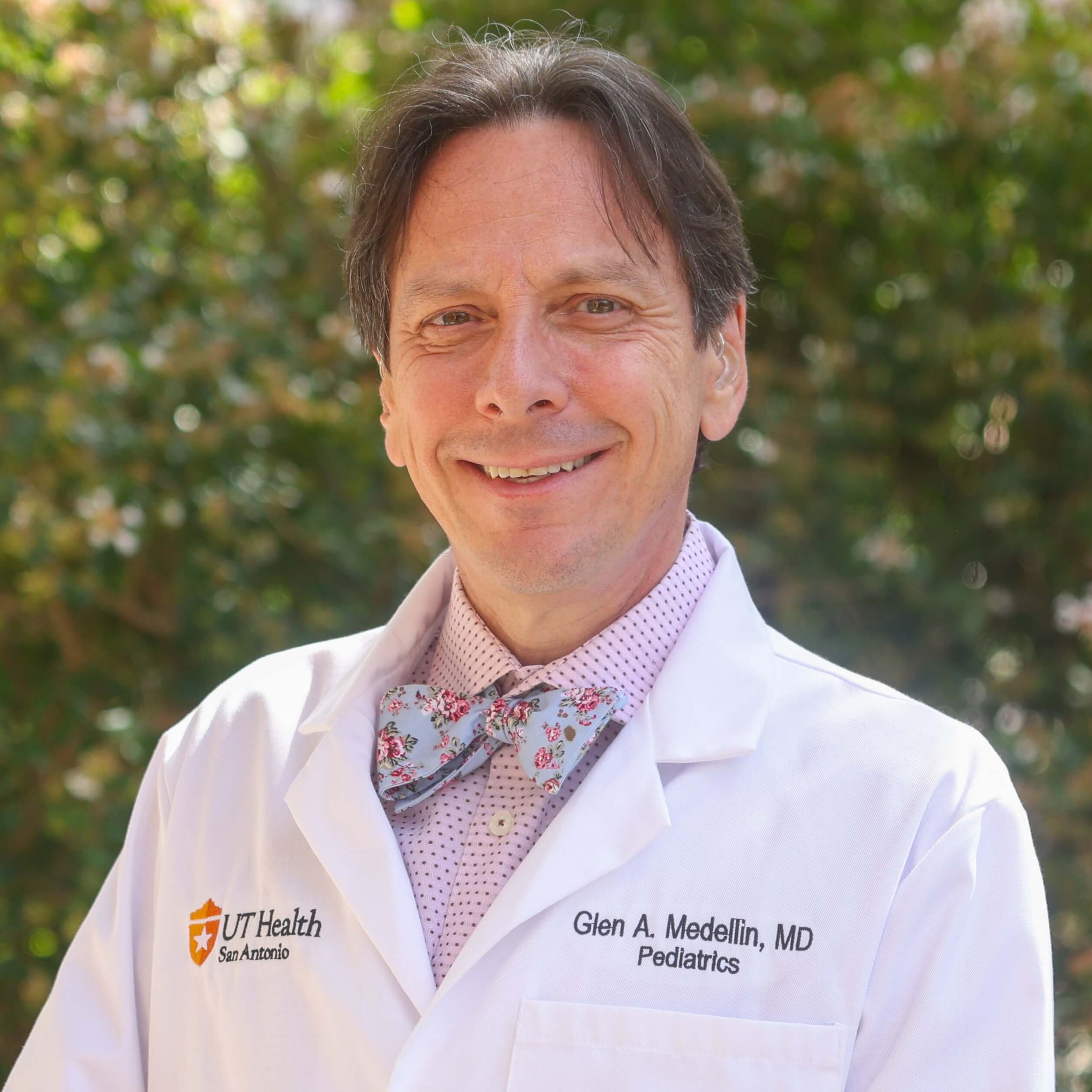
Dr. Glenn Medellin smiles outdoors wearing a white lab coat and a floral bowtie.

Glen Medellin, M.D.

University Health
Comprehensive Care Clinic

Care that listens. Care that stays. For Dr. Glen Medellin, it is the only way to practice medicine. A pediatrician in San Antonio for 30 years, Medellin built his career around caring for children with special health care needs. At University Health…

Read more

Alamo City Arts logo

Alamo City Arts

Represented by Cory McRae
President and CEO

Alamo City Arts makes the arts come alive by ensuring that they are more accessible to more people locally. Art has inspired and connected people for thousands of years, and ALAMO City Arts brings that sense of wonder…

Read more

Any Baby Can logo

Any Baby Can

Represented by Jenny Hixon
President and CEO

For more than 40 years, Any Baby Can of San Antonio has stood for one simple truth: families thrive when they’re treated with dignity, support, and human connection. The nonprofit provides free, in-home services for…

Read more

The Arc of San Antonio logo

The Arc of San Antonio

Represented by Dona Kotzur
President and CEO

The Arc of San Antonio helps people live their best lives. That’s the goal, every day. Founded in 1954 by parents who believed their children with intellectual and developmental disabilities deserved equal opportunities…

Read more

San Antonio AVANCE logo

AVANCE San Antonio

Represented by Yesenia Alvarez-Gonzalez
Executive Director

Opportunity. Education. Connection. AVANCE San Antonio delivers all three for families starting their learning journey. The nonprofit provides parenting education and early childhood education culturally…

Read more

Big Brothers Big Sisters of South Texas logo

Big Brothers Big Sisters of South Texas

Represented by Denise Burkharst
President and CEO

At Big Brothers Big Sisters of South Texas, the mission is mentorship. The heart is trust. The impact is lifelong. For nearly 50 years, Big Brothers Big Sisters of South Texas has matched young people with caring adult mentors. Under…

Read more

Brighton Center logo

Brighton Center

Katrina Campbell
CEO

Under the leadership of Chief Executive Officer Katrina Campbell, Brighton Center has served as a lifeline for local children with disabilities or developmental delays and their families for more than five decades. Brighton Center delivers…

Read more

Children Achieving Maximum Potential CAMP logo

Children’s Association for Maximum Potential (CAMP)

Represented by Susan Osborne
CEO

“Belonging:” More than a mere feel-good concept, belonging defines the entire mission in action at CAMP. The Children’s Association for Maximum Potential (CAMP) creates spaces where people with disabilities feel seen, supported…

Read more

The Carver Cultural Arts Center logo

The Carver Cultural Arts

Represented by Cassandra Parker-Nowicki
Executive Director

Art lives at The Carver Cultural Arts Center. So does history. For nearly a century, the Carver has been a hub of creative expression, cultural preservation, and community care on San Antonio’s East Side…

Read more

CentroMed logo

CentroMed

Represented by Ernesto Gómez, Ph.D.
President and CEO

Access to care changes lives. CentroMed makes it possible for families who may otherwise go without essential medical services. Founded more than 50 years ago by President and CEO Dr. Ernesto Gómez, CentroMed was born out of…

Read more

Clarity Child Guidance Center logo

Clarity Child Guidance

Represented by Jessica Knudsen, LCSW, FACHE
President and CEO

Healing starts with listening. At Clarity Child Guidance Center, it also starts with trust. Founded in 1886 as the Protestant Home for Destitute Children, Clarity has grown into a leading nonprofit in South Texas solely focused on…

Read more

CommuniCare logo

CommuniCare

Represented by Paul Nguyen, MHA
President and CEO

Health care can be confusing. CommuniCare makes it simpler. For more than 50 years, CommuniCare has worked to ensure families get timely, affordable care regardless of income or insurance. The nonprofit offers…

Read more

Down Syndrome Association logo

Down Syndrome Association of South Texas

Represented by Brian Lopez
Executive Director

Support for every life stage. Connection at every turn. Those are the promises the Down Syndrome Association of South Texas (DSASTX) has worked to uphold for decades. Each year, the organization delivers more than 22 programs…

Read more

Logo of Health Collaborative

Health Collaborative

Represented by Elizabeth Lutz
Executive Director

Community. Collaboration. Trust building. Access to quality health care. These tenets drive the work of the Health Collaborative to improve our community’s health outlook. To this end, they have united a mighty collective of great minds and servant leaders from…

Read more

House of Neighborly Service

House of Neighborly Service

Represented by Sandra Morales
Executive Director

Sometimes care looks like a hot meal, paying someone’s utility bill on time, or helping a child process big feelings through play. At House of Neighborly Service, these everyday moments reflect more than a century of community care. Now in its 108th year…

Read more

MLK Commission logo

San Antonio Martin Luther King Jr. Commission

Represented by Dr. Doshie Piper
Commission Chair

Unity. Service. Legacy. The San Antonio Martin Luther King Jr. Commission works year-round to keep all three pillars alive in our community. As Commission chair, Dr. Doshie Piper leads the city-appointed volunteer body that organizes…

Read more

NAMI (National Alliance on Mental Illness) logo

NAMI San Antonio

Represented by Doug Beach
Executive Director

San Antonio is developing a more robust network of mental health support, with NAMI San Antonio leading the charge. The nonprofit supports individuals and families affected by mental health conditions through free classes…

Read more

opportunity home logo

Opportunity Home

Represented by Michael Reyes
President and CEO

For thousands of San Antonio families, Opportunity Home is more than housing assistance – it’s stability, resources, and a path forward. As the largest affordable housing provider in Texas, the organization serves more than…

Read more

Project Mend logo

Project MEND

Represented by Cathy Valdez
CEO

Mobility changes everything. Project MEND makes it possible. Based in San Antonio, Project MEND provides refurbished medical equipment to people across Texas who might otherwise go without. From walkers and…

Read more

Project Quest logo

Project Quest

Represented by Francisco Martinez
President and CEO

It began as a response to a factory closure, and 32 years later, Project QUEST continues to reflect the grit and determination of the community it serves. Project QUEST helps San Antonians build sustainable careers through every… 

Read more

San Antonio Aids Foundation logo

San Antonio AIDS Foundation

Represented by Cherise Rohr-Allegrini
CEO

Testing can save lives. Treatment changes them. The San Antonio AIDS Foundation (SAAF) delivers both with urgency and compassion. Founded in 1986 at the height of the AIDS epidemic, the nonprofit works to prevent…

Read more

San Antonio Food Bank logo

San Antonio Food Bank

Represented by Eric Cooper
President and CEO

At the San Antonio Food Bank, access to food and nourishment is the first step toward stability, health, and opportunity. Each week, the organization serves more than 100,000 people across 29 counties. But food alone is not the mission. Under…

Read more

San Antonio Hispanic Chamber of Commerce logo

San Antonio Hispanic Chamber of Commerce

Represented by Luis Rodriguez
President & CEO

Small businesses are the heartbeat of San Antonio’s economy. The San Antonio Hispanic Chamber of Commerce helps them grow, stay rooted, and thrive. Established in 1929 by Latino business leaders excluded from other chambers…

Read more

San Antonio Zoo logo

San Antonio Zoo

Represented by Tim Morrow
President and CEO

Conservation. Education. Community pride. The San Antonio Zoo brings all three together in ways that inspire visitors long after they leave. Under President and CEO Tim Morrow, the nonprofit works to inspire people to “LEAP,” which stands…

Read more

the YMCA logo

YMCA of Greater San Antonio

Represented by Louis Lopez
President and CEO

The YMCA of Greater San Antonio improves local access to wellness, connection, and care.
For nearly 150 years, the Y has been a steady presence in the region. Today, it offers more than fitness…

Read more

Charles Kight wears a bright blue button-down shirt with bookshelves in the background.

Charles Kight

Community First Health Plans
Former CEO and President

Building a community-based health plan from the ground up requires vision, persistence, and the right people. As the first CEO of Community First Health Plans, Charles Kight embodied all three.

When Community First opened for…

Read more

George B. Hernández Jr. wearing a blue suit and striped shirt stands outside a building with a sign that reads "Community First Health Plans".

George B. Hernández

University Health
CEO (Retired)

George B. Hernández Jr. devoted his career to improving the lives of people in South Texas. Hernández spent 41 years with University Health, working to transform health care in San Antonio, one project, partnership, and patient at a time…

Read more

Mary Helen Gonzalez wearing a dark blue blazer and a patterned scarf.

Mary Helen Gonzalez

Community First Health Plans
Executive Director of Member Services

Care for our Members. Believe in our team. That’s how Mary Helen Gonzalez has helped lead Community First Health Plans into something greater than she ever imagined. As Executive Director of Member Services, Gonzalez has spent the…

Read more

Ashley Green and Veronica Simpkins wearing LATCHED branded polo shirts smiling at the camera outside.

Ashley Green and Veronica Simpkins

Latched
Co-founders and Co-executive directors

Latched is transforming how families in San Antonio receive care during pregnancy and early childhood. The non-profit takes a personal, practical approach built on trust. Co-founders and co-executive directors… 

Read more

Rene Escobedo in a dark suit and white striped shirt smiles for a professional headshot outdoors with pink flowers in the background.

Rene Escobedo

Community First Health Plans
Vice Chair (Longest-serving Board Member)

As Community First Health Plans’ longest-serving board member, Rene Escobedo has consistently demonstrated purpose and persistence since 2002. With a background in accounting and law, he brings a….

Read more

Dr. Glenn Medellin smiles outdoors wearing a white lab coat and a floral bowtie.

Glen Medellin, M.D.

University Health
Comprehensive Care Clinic

Care that listens. Care that stays. For Dr. Glen Medellin, it is the only way to practice medicine. A pediatrician in San Antonio for 30 years, Medellin built his career around caring for children with special health care needs. At University Health, he founded the…

Read more
Home
Member Portal
Provider Portal
Alamo City Arts logo
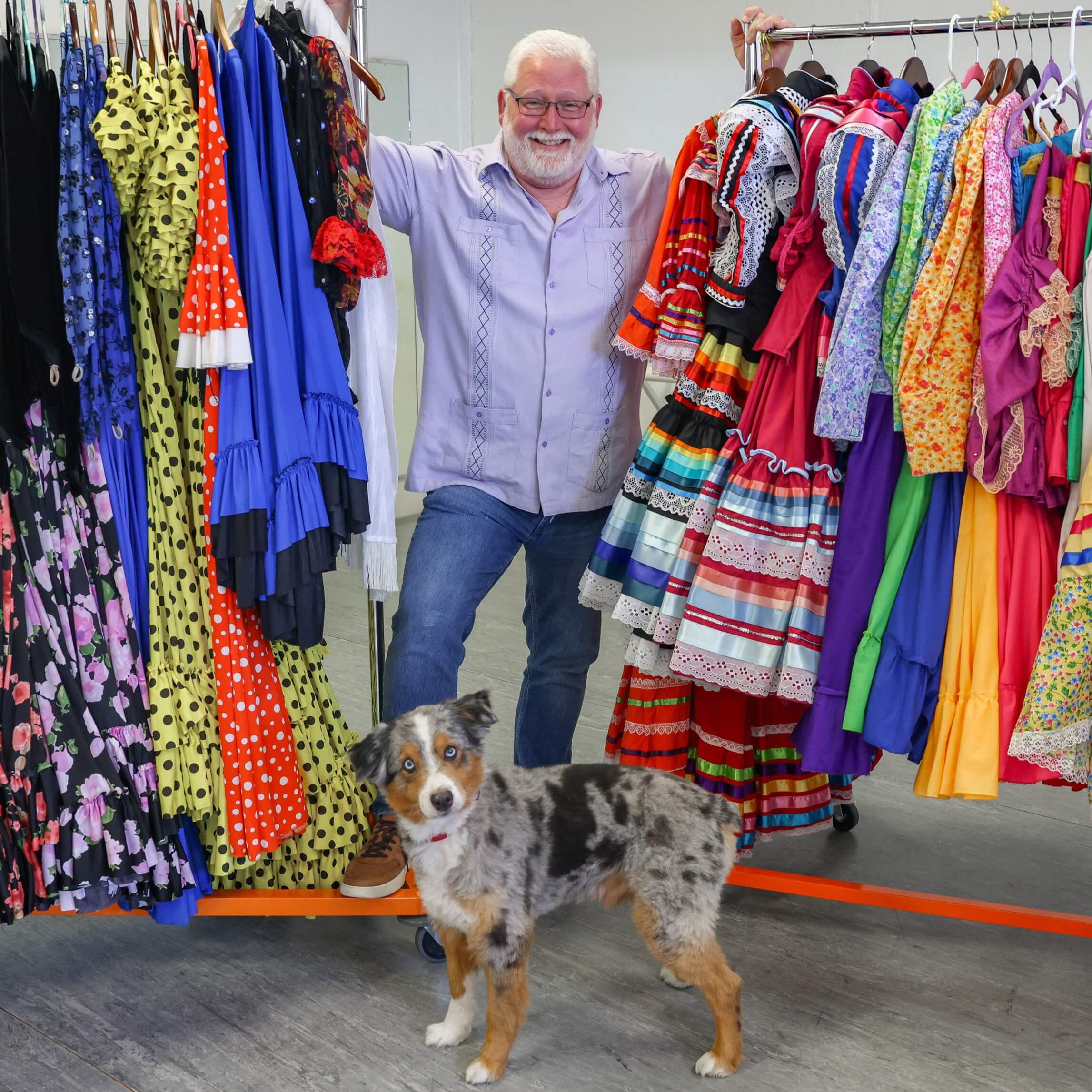
Cory Mcrae smiling with a dog stands between racks of colorful dresses.

Alamo City Arts

Represented by Cory McRae
President and CEO

Alamo City Arts makes the arts come alive by ensuring that they are more accessible to more people locally. Art has inspired and connected people for thousands of years, and ALAMO City Arts brings that sense of wonder and awe to San Antonio through vibrant, multicultural and multidisciplinary programming and creative collaboration among groups and individuals.

President and CEO, Cory McRae, has continued to push Alamo City Arts into a culturally relevant art collective where artists can meet and find inspiration in one another’s visions and talents. Founded in 1991 as a single dance company, Alamo City Arts now counts a symphony, concert band, stage company, mariachi academy, and ballet folklorico among its offerings. “When you work together as one unit, the result is richer,” McRae said. “You create something that feels whole, not pieced together.”

McRae joined in 2016, stepping into leadership with a clear goal to expand the organization’s reach and relevance. He and Artistic Director Katie Rodriguez Hall added new programs, merged them with existing ones, and launched fresh productions that have reflected the local culture. “My art is bringing people together,” McRae said. That philosophy fuels their mobile approach. Alamo City Arts performs across Bexar County and partners with Title I schools for afterschool dance programs and community access. “If you don't bring it to the community, some people won’t be able to experience it,” he said.

Community feedback drives the work. During the pandemic, McRae help produce a filmed version of the Nutcracker onsite at the McNay Art Museum. His team then distributed the film to hospitals and local families. In turn, that production sparked a partnership with Community First. Today, the organization continues to respond to evolving needs by modernizing ballet choreography to honor the cultures it portrays, preserving historic concert band music, and shaping new programs based on what families want to see. “You may think you know what the community needs, but you have to ask,” McRae said. “Do the legwork.”

For McRae, the arts are more than performance. They signify connection, heritage, and hope. He believes the arts can inspire young people to dream bigger and help neighbors see one another more clearly. “Art has always been how we understand ourselves and each other,” he said. “People think of it as a luxury, but it’s really the foundation of culture. It’s how we build a stronger community.”

Any Baby Can logo
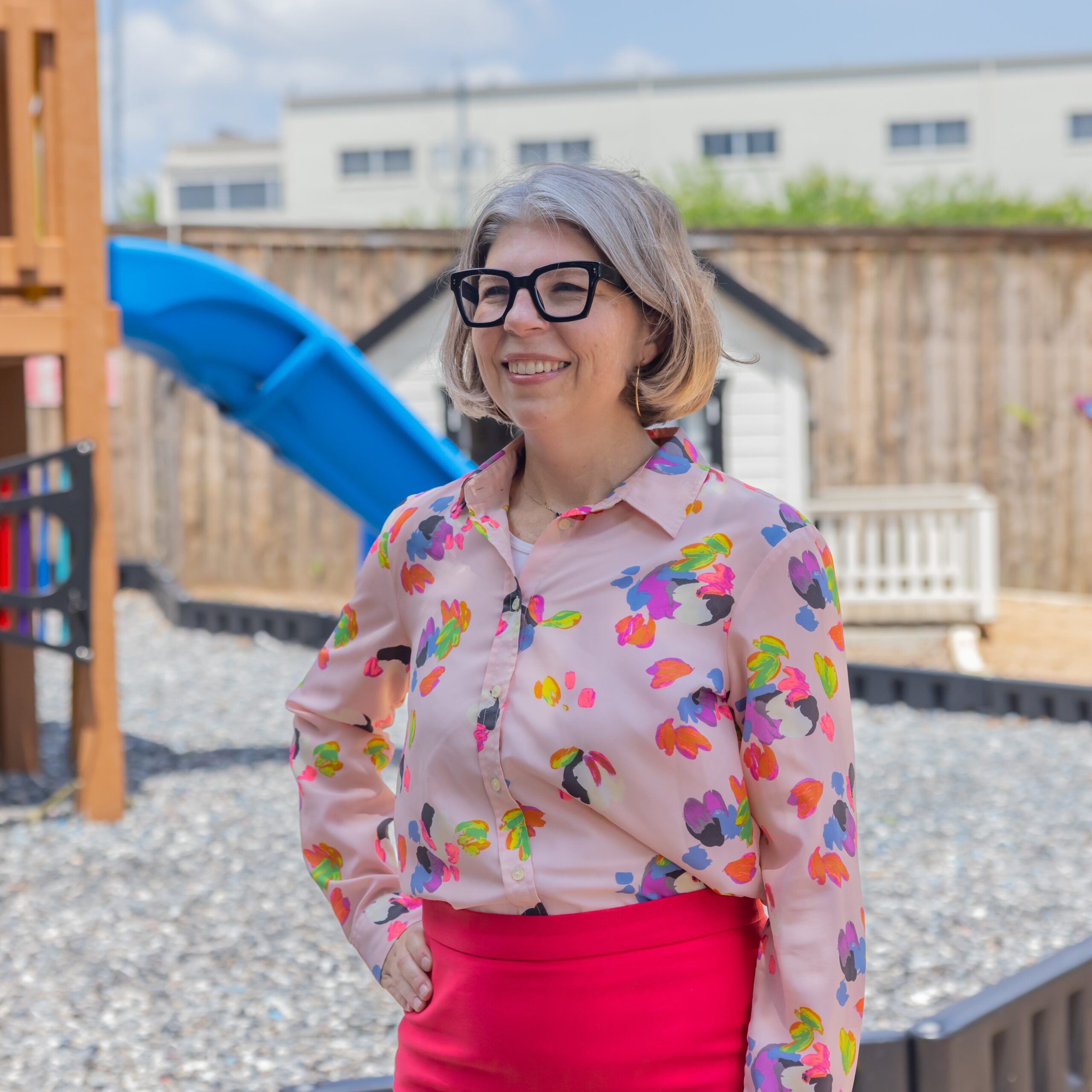
Jenny Hixon wearing a pink floral blouse and red skirt smiles while standing in a playground.

Any Baby Can

Represented by Jenny Hixon
President and Chief Executive Officer

For more than 40 years, Any Baby Can of San Antonio has stood for one simple truth: families thrive when they’re treated with dignity, support, and human connection. The nonprofit provides free, in-home services for families raising children with special healthcare needs, including developmental and behavioral challenges. Under the leadership of President and CEO Jenny Hixon, the team is focused on expanding access while staying rooted in the values that shaped its beginning.

Any Baby Can (ABC) was founded to address high rates of child abuse among children with disabilities. That pattern is often tied to chronic stress, isolation, and a lack of resources. From the beginning, the goal has been to support parents early and holistically. Removing barriers remains central to helping families get the support they need to care for their children with confidence and stability. “We serve people regardless of income or residency,” Hixon said. “And meet families where they are, physically, emotionally, and relationally.”

Many of the families ABC serve face economic hardships and limited access to higher education or consistent health care. Navigating a child’s complex needs can be overwhelming. ABC steps in with in-home case management, bilingual support, and parenting education designed for real life. Their approach is built to ease the pressure, restore dignity, and make support feel possible. “It’s really been important to me to think about the dignity of people receiving services – that they’re able to access help in a way that affirms their value,” Hixon said.

Alongside direct support, ABC creates space for families to feel seen. At the annual holiday party, parents pick out and wrap gifts themselves, giving them the agency to choose what their child receives. During Boo Bash, children practice trick-or-treating in a sensory-friendly space. For families experiencing loss, ABC’s bereavement program offers steady, compassionate support, meeting them with care rather than conditions. “We can’t fix everything, but we’re not going to let families go through it alone,” Hixon said.

Looking ahead, Hixon is focused on expanding access and reducing isolation. The goal isn’t perfection. It’s belonging. “People taking care of people is what keeps me going,” she said. “That’s the kind of community we want to help build.”

The Arc of San Antonio logo
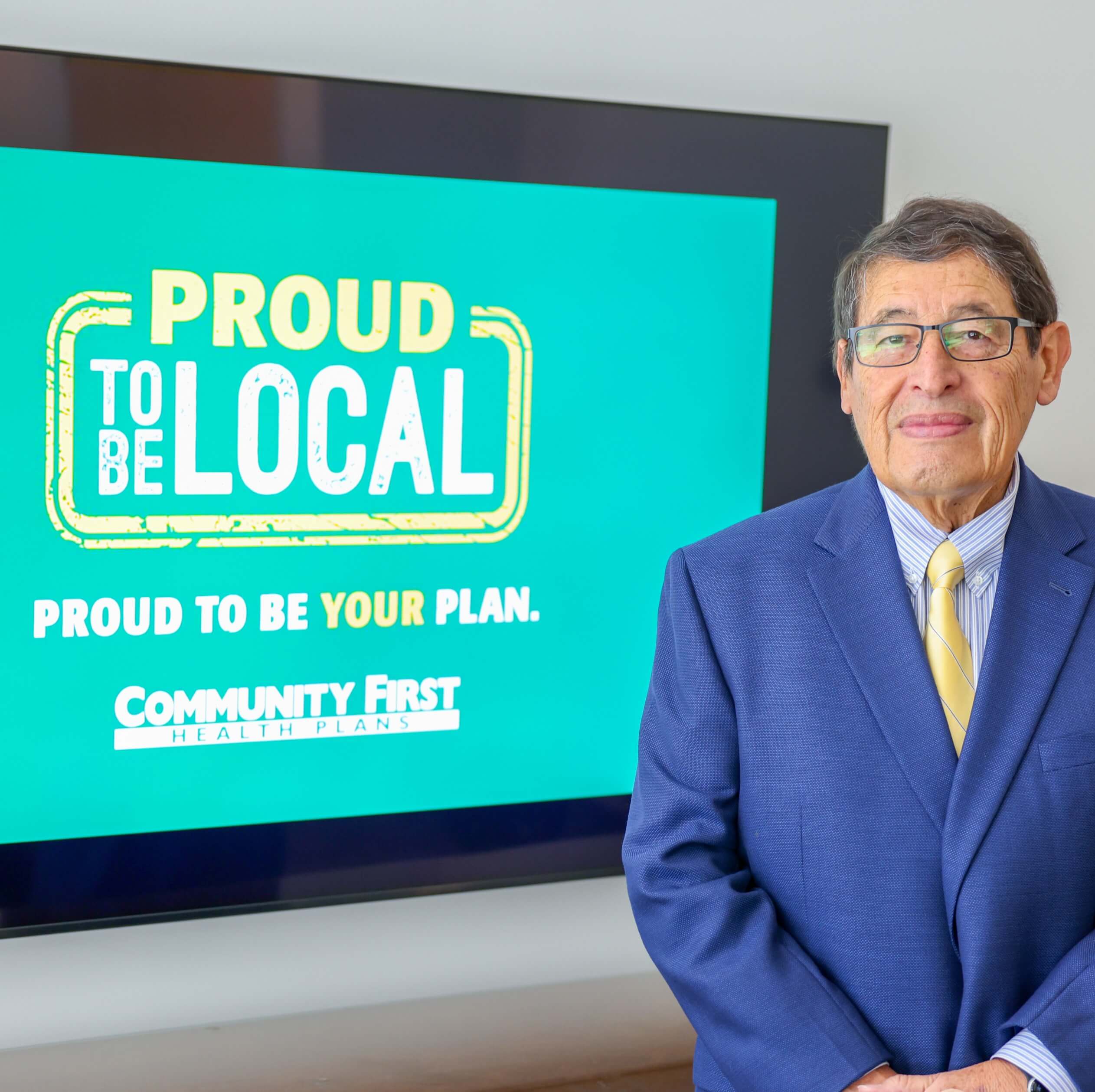
George B. Hernández Jr. wearing a blue suit and yellow tie stands in front of a screen displaying "Proud to be Local".

The Arc of San Antonio

Represented by Dona Kotzur
President and CEO

The Arc of San Antonio helps people live their best lives. That’s the goal, every day.

Founded in 1954 by parents who believed their children with intellectual and developmental disabilities deserved equal opportunities and inclusion, The Arc has grown into a trusted support system for over 2,400 individuals and families across Bexar County. Under President and CEO Dona Kotzur, the organization continues to evolve with the community it serves. “They deserve to be represented, valued, and seen,” Kotzur said. “If we can make that happen, then our job is done.”

The Arc provides tailored day programs, direct care, and case management to meet individual needs. On any given day, participants may volunteer, create artwork, or enjoy group outings to popular venues like bowling alleys and local restaurants. The sense of joy these activities create is intentional. During a portrait project with a local art school, one participant looked at his painting and said, “Did you know only rich people used to get their pictures painted? This makes me feel rich.” The portraits now hang in the building, with framed originals gifted to families each year.

Kotzur joined The Arc in 2020, one month before the pandemic hit. With programs paused, she used the time to connect directly with families, many of whom care for adult children at home without respite. Through this, she gained insight into critical gaps that form after high school, when the school bus stops coming and structured services often fall away. The Arc helps fill that space by offering community, routine, and development opportunities for adults who still need daily support. 

Access remains a priority, especially in underserved neighborhoods on San Antonio’s East and West sides. While funding and staffing shape the pace of growth, the vision is clear: reach more families, build stronger systems, and center the voices of those served. “We meet people where they are,” Kotzur said. “And we let them define what success looks like.”

San Antonio AVANCE logo
George B. Hernández Jr. wearing a blue suit and yellow tie stands in front of a screen displaying "Proud to be Local".

AVANCE San Antonio

Represented by Yesenia Alvarez-Gonzalez
Executive Director

Opportunity. Education. Connection. AVANCE San Antonio delivers all three for families starting their learning journey.

The nonprofit provides parenting education and early childhood education in a trusted, culturally responsive environment. For nearly 29 years, Executive Director Yesenia Alvarez-Gonzalez has led with what she calls “the AVANCE way” – a commitment to meeting families where they are, knocking on doors in the hardest-to-reach neighborhoods, and building relationships that last well beyond graduation. “Once an AVANCE family, you’re always an AVANCE family,” she said.

Founded in 1973 by Dr. Gloria Rodriguez with a $10,000 grant and a single housing unit classroom on the West Side, AVANCE has grown into a multimillion-dollar organization and a nationally recognized model. Flagship programs include the nine-month Parent-Child Education Program, Caminos al Futuro, and Early Head Start

Parents attend classes while their children learn next door in licensed child development centers. Teachers identify developmental needs early and connect families to partners for support. AVANCE’s two-generation approach also helps parents continue their education through GED, career readiness, and child development certification programs. “We set the foundation for early learning and family engagement, because this is just the beginning,” Alvarez-Gonzalez said.

The impact now spans generations. Former AVANCE babies return as professionals, parents, and sometimes staff, often sharing the moment they first stepped through the doors. About 35% of employees are program graduates. Many say their own experience with AVANCE shapes how they connect with families today. They understand the challenges of balancing work, school, and parenting because they’ve lived them. That shared history builds trust quickly and shows current participants what’s possible.

For Alvarez-Gonzalez, the work is deeply personal. Her own experiences with housing instability and single parenthood shape her leadership and mission. “This isn’t a job for me. It’s a mission,” she said. Seeing alumni walk their own children through AVANCE’s doors reinforces why it matters. “We’re here to change the conversation for families,” she stated. “So, the question isn’t if you’ll go to college, but which one.”

Big Brothers Big Sisters of South Texas logo
Denise Barkhurst sits on a green couch next to a large, Big Brothers Big Sisters logo.

Big Brothers Big Sisters of South Texas

Represented by Denise Barkhurst
President and CEO

At Big Brothers Big Sisters of South Texas, the mission is mentorship. The heart is trust. The impact is lifelong.

For nearly 50 years, Big Brothers Big Sisters of South Texas has matched young people with caring adult mentors. Under the leadership of President and CEO Denise Barkhurst, the organization has expanded its reach, deepened its programs, and redefined how meaningful, lasting relationships are built and sustained.

Barkhurst joined the agency in 1995 and has served as CEO for the past 17 years. In that time, she’s led a shift from transactional case management to a new service delivery model focused on consistency and connection. “Everyone told me it would never work,” she said. “And it worked beyond anyone’s expectations.” Since 2016, the team’s new approach has kept volunteer retention above 90 percent. Before the new model, it was 68 percent.

The needs of today’s youth have evolved, but the mission – providing support through mentorship – remains unchanged. The program continues its commitment to prevention, while also serving youth already coping with trauma. Boys make up the majority of those waiting for a mentor. Yet, men remain underrepresented among volunteers. “We really need men,” Barkhurst said. “It doesn’t take much time. You can be a role model. You can make a difference.”

Big Brothers Big Sisters of South Texas also supports the families behind every child. When parents asked for guidance, the team responded by creating a parenting curriculum tailored to their needs. That same mindset shapes the workplace. With just 45 staff across six cities, the organization invests in culture, training, and leadership development. “You have nothing of quality and value to offer the community unless you have your house in order,” Barkhurst said.

The outcomes are deeply personal. Eric, a former Little, first met Barkhurst at the age of five. He later became a member of the Youth Board, earned a master's degree, and now serves on the BBBS National Youth Council. Stories like his inspire the organization's efforts. As it celebrates its 50th anniversary, the team is focused on expanding its reach, enhancing its impact, and preparing the next generation for success.

Brighton Center logo
Katrina Campbell in a red dress with one arm raised stands on a colorful playground structure.

Brighton Center

Represented by Katrina Campbell
CEO

Under the leadership of Chief Executive Officer Katrina Campbell, Brighton Center has served as a lifeline for local children with disabilities or developmental delays and their families for more than five decades. Brighton Center delivers the support these families need, including speech and occupational therapy, inclusive preschool, early childhood education, and special education advocacy. As CEO Katrina Campbell puts it, “Brighton is its own community, and we exist to lift up not just the children we serve, but their families, their schools, and the San Antonio community as a whole.”

The needs of the community drive everything the organization does. Originally founded as a school for children with Down syndrome, Brighton has grown over the years by listening closely to families and addressing requests and gaps in care. Each program has sprung from a simple guiding question: What do these families need to thrive?

Finding resources and navigating red tape can be overwhelming for parents of children with disabilities. For this reason, Brighton’s work goes beyond clinical care to help families understand complex systems and access the resources available to them. “A lot of resources exist,” Campbell shared. “But knowing what help you need, when you will need it, and how to access it can be giant barriers.”

After mainstream schools began accepting children with Down syndrome, Brighton parents expressed a need for care for their younger children. “So, we started a preschool.” explains Campbell. “Then we realized the kiddos needed early intervention services. We contracted with the state to add speech, occupational, and physical therapy services.”
When these families express that they no longer feel alone, the Brighton Center team knows they are on the right track. That serves to fuel the team’s commitment, from therapists working on living room floors to advocates working within the intricacies of state policies.

Brighton’s evolution is ongoing. The center remains focused on early access, family support, and building inclusive communities where children of all abilities can reach their full potential.

Children Achieving Maximum Potential CAMP logo
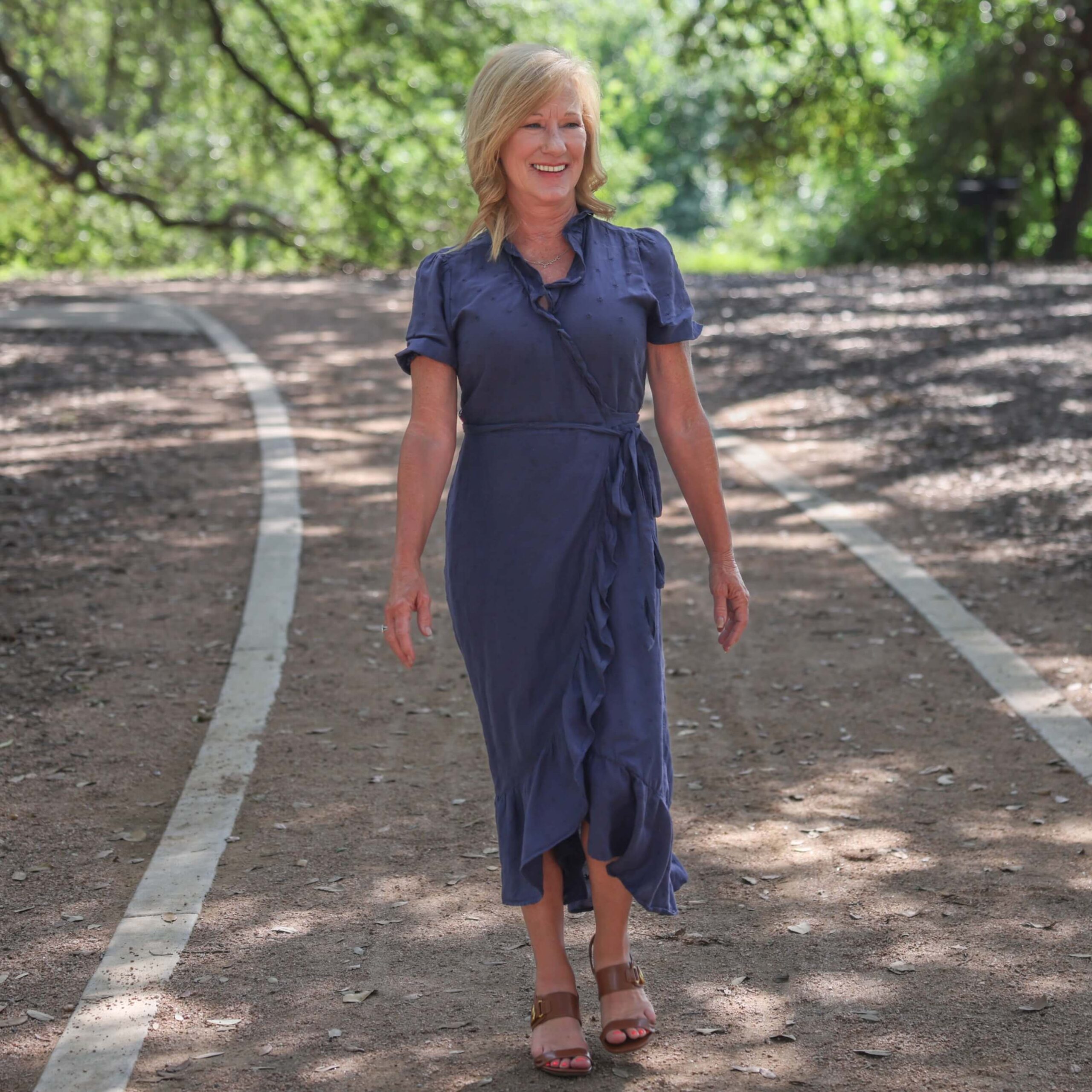
Susan Osborne in a blue wrap dress walks on a path in a leafy park.

Children’s Association for Maximum Potential (CAMP)

Represented by Susan Osborne
CEO

“Belonging:” More than a mere feel-good concept, belonging defines the entire mission in action at CAMP.

The Children’s Association for Maximum Potential (CAMP) creates spaces where people with disabilities feel seen, supported, and celebrated. Led by CEO Susan Osborne for the past 21 years, the organization provides year-round programs rooted in recreation, respite, and education. Each summer, CAMP trains more than 600 teen and young adult volunteers to serve as one-to-one counselors for campers with physical or developmental disabilities. “Our core values are dignity, respect, and belonging,” Osborne said. “And we teach that from day one.”

Since 1979, CAMP has served children with special needs. Today, CAMP offers an array of programs, reaching individuals up to age 55. Parents now rely on CAMP for more than just a weeklong summer break. CAMP families need continued support even after they return home. Osborne sees firsthand how few options exist once a child ages out of the school system. “Especially for parents of children who may never outgrow certain needs, the chance to rest and feel their child is included means everything,” she said. Her own personal connections to disability gave her an early understanding of what that kind of trust requires.

Osborne credits CAMP’s culture and volunteers for keeping her grounded on the hard days. She also points to a recent internal shift that strengthened their operations. The team adopted the Entrepreneurial Operating System (EOS), a shared framework that emphasizes clarity, accountability, and alignment. “It’s a collective agreement for how we work together,” Osborne said. She believes nonprofits must be recognized as businesses too, managing complex operations and multimillion dollar budgets. At CAMP, that includes training seasonal teams that quadruples in size during the summer. For many families, knowing their child will be supported by a one-to-one counselor who is prepared, compassionate, and fully present makes all the difference.

Looking ahead, Osborne remains focused on inclusion, growth, and connection. “Success,” she said, “is always measured in hugs.”

The Carver Cultural Arts Center logo
George B. Hernández Jr. wearing a blue suit and yellow tie stands in front of a screen displaying "Proud to be Local".

The Carver Cultural Arts

Represented by Cassandra Parker-Nowicki
Executive Director

Art lives at The Carver Cultural Arts Center. So does history.

For nearly a century, the Carver has been a hub of creative expression, cultural preservation, and community care on San Antonio’s East Side. Established in 1929 to serve the Black community during a time of segregation, it has hosted legends like Ella Fitzgerald and Duke Ellington, served as a flood refuge, and connected generations through storytelling and performance. Today, Executive Director Cassandra Parker-Nowicki leads with vision rooted in legacy and curiosity. “The Carver was a dream job,” she said. “I came here as a teen, and it shaped what I wanted to do with my life.”

Under Parker-Nowicki’s leadership, the Carver remains committed to celebrating Black culture through a multidisciplinary arts model that’s accessible and relevant. Each season blends global artists with local voices. The Carver supports new work, commissions performances, and presents exhibitions in its gallery space, while also prioritizing arts education and community outreach. Programs are designed not just to entertain but to inspire and heal. “The arts are essential to any thriving community,” she said. “They help us process grief, envision possibility, and stay connected to our humanity.” The Carver’s modern vision was shaped by former director Jo Long, whose 25-year tenure built its national reputation as a multicultural arts center.

The Carver has weathered decades of change in its surrounding community, from desegregation to displacement. Through it all, it has kept its doors open and its mission clear. The Carver now operates through a public-private partnership between the City of San Antonio and the Carver Development Board. That collaboration helps sustain a robust calendar of performances, youth programs, and cross-sector initiatives that increasingly intersect with healthcare, the military, and education.

Parker-Nowicki is driven to lead by questions that matter. What stories need telling? Who isn’t being heard? How can the Carver stay true to its roots while reaching forward? Her approach honors tradition while embracing innovation. “We have to make sure The Carver continues to tell the stories of this community and invites everyone to be part of it,” Parker-Nowicki said.

CentroMed logo
Ernesto Gómez in a suit sits on a chair next to a CentroMed advertisement featuring a mother and daughter.

CentroMed

Represented by Ernesto Gómez, Ph.D.
President and CEO

Access to care changes lives. CentroMed makes it possible for families who may otherwise go without essential medical services.

Founded more than 50 years ago by President and CEO Dr. Ernesto Gómez, CentroMed was born out of his experiences growing up on San Antonio’s West Side as the 13th of 14 children. Gómez witnessed firsthand how poverty, lack of insurance, and a limited number of providers left his community without basic medical care. In its early years, CentroMed offered a wide range of social services, from senior nutrition programs to emergency utility assistance, but soon made a strategic shift. “We decided to concentrate on one thing and do it well,” Gómez said. That focus became affordable, high-quality health care for those who need it most.

Today, CentroMed centers its work on three essential areas: primary care, dental care, and behavioral health. The clinics provide comprehensive services in pediatrics, adult medicine, and women’s health, including OB-GYN services, alongside inpatient care. Dental care meets a need that is often financially out of reach, while behavioral health services address mental health in communities where stigma still creates barriers. Screening for non-medical drivers of health, the organization connects patients to trusted partners for food, housing, and utility assistance.

The communities CentroMed serves have changed little over the decades. Poverty, low educational attainment, and high rates of preventable disease remain constant. As individuals improve their circumstances, they often move on, and new families facing similar challenges take their place. Gómez recruits physicians, dentists, and behavioral health specialists who not only meet high professional standards but also share the mission. “We want clinicians that have a sense of mission, willing to meet the challenge,” he said.

Generations of role modeling have created a lasting impact. Patients who once sat in CentroMed waiting rooms as children have returned as doctors and dentists, inspired by those who cared for them. Photos of young patients aspiring to enter the profession line clinic walls, a reminder that quality care not only treats illness, but also shapes futures. “Seeing kids grow up, succeed, and come back to serve their community – that’s the most promising thing we see,” Gómez said.

Clarity Child Guidance Center logo
George B. Hernández Jr. wearing a blue suit and yellow tie stands in front of a screen displaying "Proud to be Local".

Clarity Child Guidance Center

Represented by Jessica Knudsen, LCSW, FACHE
President and CEO

Healing starts with listening. At Clarity Child Guidance Center, it also starts with trust.

Founded in 1886 as the Protestant Home for Destitute Children, Clarity has grown into  a leading nonprofit in South Texas solely focused on children’s mental health. Serving kids ages 3 to 17, Clarity offers inpatient, outpatient, and day hospital programs.  Under President and CEO Jessica Knudsen, the organization has expanded services, deepened its trauma-informed care, and opened a new clinic in a long-underserved area.  “Our mission is to support children and families in their pursuit of mental wellness,” Knudsen said.

The need keeps growing, and Clarity keeps showing up. Thirty years ago, it had 40 inpatient beds. Now it has 74. Services have expanded to include 24/7 crisis care, school partnerships, and a new model for intensive community-based therapy. In January 2025, Clarity opened a center at Southside ISD to serve what Knudsen calls “a mental health treatment desert south of downtown.” Families come from every part of the city, and the children they see reflect San Antonio’s population. More girls than boys seek services, which Knudsen attributes in part to lingering stigma around help-seeking.

Clarity’s team includes therapists, nurses, psychiatrists, and psychologists who don’t just show up, they stay. “The people here are the most dedicated I’ve ever worked with,” Knudsen said. “It is truly a group of mission-driven individuals.” Staff are trained to ask why, not just enforce rules. Through the Clarity Care model, kids are guided to calm down and reflect, rather than face punishment for acting out. Success shows up in small moments. A kid running on the playground. A laugh. A choice to speak instead of shutting down. Some families return years later just to say thank you.

What drives Knudsen is simple: do the next right thing. That mindset shapes every decision and keeps Clarity focused on meeting families where they are, with compassion and care.

CommuniCare logo
George B. Hernández Jr. wearing a blue suit and yellow tie stands in front of a screen displaying "Proud to be Local".

CommuniCare

Represented by Paul Nguyen, MHA
President and CEO

Health care can be confusing. CommuniCare makes it simpler.

For more than 50 years, CommuniCare has worked to ensure families get timely, affordable care regardless of income or insurance. The nonprofit offers medical, dental, behavioral, and specialty care across San Antonio and now serves more than 128,000 patients each year. President and CEO Paul Nguyen, who joined in 2007, leads with a personal understanding of the stakes. “We immigrated here from Vietnam,” he said. “Health care was overwhelming. I got into this work to simplify the system for people like my parents.”

When Nguyen first arrived, CommuniCare served about 10,000 patients. Since then, the organization has expanded its footprint, built new clinics in underserved areas, launched digital education efforts, and grown into a full-service network. It now operates its own pharmacies, employs its own doctors, and negotiates directly with specialists to lower costs for uninsured and underinsured patients. Twenty percent of CommuniCare’s patients are self-pay. Nguyen’s team leverages the other 80 percent to expand access for everyone. “We want care to be available when people need it,” Nguyen said. “Not two weeks from now.”

From school-based screenings to online health education, preventive care is at the heart of CommuniCare’s mission. The organization invests in education, early intervention, and outreach to reach families before health issues escalate. Clinics are strategically placed, often guided by school district data and projected growth. Digital tools like YouTube and social media now complement in-person efforts to educate younger generations. Some families have trusted CommuniCare with their health care needs for four generations, a reflection of their high-quality services and deep community ties.

For Nguyen, community means showing up with care and creativity. His leadership is grounded in lived experience and a commitment to meeting people where they are. “There’s no magical formula,” he said. “But there are creative ways to make it work. One of those is rethinking how care spaces are designed. Most clinics are designed by doctors for doctors. Ours are designed for patients, by patients.”

Down Syndrome Association logo
Brian Lopez smiling sits on a blue playground slide wearing a patterned blue shirt and jeans.

Down Syndrome Association of South Texas

Represented by Brian Lopez
Executive Director

Support for every life stage. Connection at every turn. Those are the promises the Down Syndrome Association of South Texas (DSASTX) has worked to uphold for decades.

Each year, the organization delivers more than 22 programs designed to support individuals with Down syndrome, from birth through adulthood. That includes prenatal and hospital outreach, early childhood development, teen leadership, and adult socialization. Under the leadership of Executive Director Brian Lopez, the team takes a whole-family approach that evolves with community needs. “We support the individual, yes, but we also support the whole family,” Lopez said.

Support may look like hospital visits, sensory-friendly playgroups, caregiver training, or weekend family gatherings. Teens may join leadership programming and later connect with others at adult club nights or advocacy events. DSASTX started hosting karaoke nights and monthly meetups at the request of the adults they serve. Many families stay engaged in DSASTX activities year after year, and in 2024, volunteers contributed more than 5,000 hours to help make that possible.

Lopez brings more than two decades of experience in the intellectual and developmental disability field and a personal connection through his nephew. He leads with a direct-service mindset shaped by years of casework, program development, and advocacy. He states, “It’s always about what’s next—how do we help them keep growing?”

At DSASTX, growth means building trust over time and creating safe spaces and fostering joy. The organization’s commitment to adaptability and inclusion means that participants help shape new ideas, families stay involved across life stages, and every program amplifies the voices of those it serves. Through work continues with care, curiosity, and consistency, DSASTX remains a steady source of support and a reflection of the community it serves.

Logo of Health Collaborative
Elizabeth Lutz wearing a light blue blouse, with greenery and a building in the blurred background.

Health Collaborative

Represented by Elizabeth Lutz
Executive Director

Community. Collaboration. Trust building. Access to quality health care.

These tenets drive the work of the Health Collaborative to improve our community's health outlook. To this end, they have united a mighty collective of great minds and servant leaders from multiple local health-focused organizations who make up the Health Collaborative. As Executive Director, Elizabeth Lutz has championed health literacy and equity by bringing the right people to the Health Collaborative table for years.

Under Lutz's leadership, the organization has played a key role in advancing health literacy so that the people they serve have the right tools to make informed decisions about their health. Local community health workers and "promotoras" already working in the community are the trusted messengers who bring resources directly into neighborhoods.

"When people have the right information delivered by the right messengers in various accessible ways, it has a lasting impact."

The pandemic proved how powerful collaborative problem-solving can be. This united approach made the Health Collaborative a trusted community partner and leader during the crisis, when the Health Collaborative expanded its services to fill in the gaps in care when other avenues for these services had to close.

Lutz continues to lead with humility and a deep sense of responsibility. The example set by past leaders has shaped her approach to listening, learning, and showing up for her community. Lutz expressed a lifelong desire to make an impact. "I knew I wanted to give back because I know this community, my family, where we came from, and the challenges we experienced."

Looking ahead, the Health Collaborative team will continue empowering individuals to advocate for their health care and transform our community.

House of Neighborly Service
Sandra Morales with lion puppet peeking through red curtains of a toy theatre stage.

House of Neighborly Service

Represented by Sandra Morales
Executive Director

Sometimes care looks like a hot meal, paying someone’s utility bill on time, or helping a child process big feelings through play.

At House of Neighborly Service, these everyday moments reflect more than a century of community care. Now in its 108th year, the organization provides wraparound support for senior citizens and families on San Antonio’s near West Side. Executive Director Sandra Morales leads with a steady focus on meeting real needs.

Morales first joined the team as a parent educator and later stepped into the executive role in 2014. Since then, she has helped grow the budget from under $480,000 to $2.1 million and the team to near thirty members. What drives her isn’t growth for its own sake but making sure our neighbors feel seen. “Helping the families who are just living paycheck to paycheck, deciding which bill to pay or not to pay, is what keeps me going,” she confided.

The House of Neighborly Service has expanded its services to help our neighbors navigate such difficult real-life decisions. Seniors receive meals, home visits, and safety checks for conditions like narrow doorways or steep steps. Mental health is now a key focus, with free play therapy for children and more support for older adults experiencing grief, isolation, or change.

Morales sees the organization’s work as essential. “Little things can be a big thing,” she said. Families often return after months away, not for anything new, but to see someone familiar who remembers their story.

For Morales, success is rooted in relationships. She sees the next chapter as deepening this trust and expanding access even further. Showing up, listening closely, and offering care with dignity — that’s what keeps neighbors coming back.

MLK Commission logo
Dr. Doshie Piper smiling in a colorful print dress reading documents while sitting on a couch in front of a large painting.

San Antonio Martin Luther King Jr. Commission

Represented by Dr. Doshie Piper
Commission Chair

Unity. Service. Legacy. The San Antonio Martin Luther King Jr. Commission works year-round to keep all three pillars alive in our community.

As Commission chair, Dr. Doshie Piper leads the city-appointed volunteer body that organizes one of the largest MLK marches in the nation. The multi-day observance includes worship services, youth events, an interfaith gathering, and a commemorative program, all culminating on the third Monday in January. The work honors Dr. King’s life and legacy while addressing the city’s own racial and economic divides. “Equity has to be fought for,” Piper said. “It doesn’t just magically appear.”

Founded as a city commission in 1987, the group continues a tradition started by local educator and preacher Rev. R.A. Callies, who inspired students to march in King’s honor. Today, the march draws well over 200,000 participants annually, while the commemorative program provides a platform for small businesses to connect with the community. The Commission also awards scholarships to Bexar County high school seniors, with a targeted outreach to African American male students. In 2024, 26 students received awards ranging from $5,000 to $20,000.

Piper, a Houston native and University of the Incarnate Word professor, stepped into leadership after serving as secretary and vice chair. In her role as chair, Piper is working to deepen the Commission’s ties with other cultural and civic events, from the César Chávez March to Fiesta, reflecting a commitment to broader solidarity. “The only way we highlight and showcase unity is by showing up,” she said.

The interfaith service remains a centerpiece, reflecting King’s alliances across faith traditions. For Piper, the sight of leaders from Christian, Muslim, Jewish, Hindu, and Sikh communities gathered reinforces the message that justice is universal.

Looking ahead, the Commission is preparing for its 40th anniversary in 2027, with plans to expand access, strengthen community partnerships, and maintain the march as a unifying force. For Piper, the reward comes in moments like standing at the crest of the march route, looking back at a sea of people. “Serving is something sacred,” she said. “It’s giving from the heart, and it makes it all worth it.”

NAMI (National Alliance on Mental Illness) logo
George B. Hernández Jr. wearing a blue suit and yellow tie stands in front of a screen displaying "Proud to be Local".

NAMI San Antonio

Represented by Doug Beach
Executive Director

San Antonio is developing a more robust network of mental health support, with NAMI San Antonio leading the charge.

The nonprofit supports individuals and families affected by mental health conditions through free classes, peer-led support groups, and community outreach. It began about 40 years ago around a kitchen table, when local parents came together to support one another while caring for family members with serious mental illness. Executive Director Doug Beach has led the organization in various roles for more than a decade, guided by personal experience and a belief in transparency. “We change lives. We save families. We save people,” Beach said. “And that’s what NAMI does.”

Mental health awareness has grown over the past 30 years, especially since the pandemic-induced isolation, but access to care and resources remains uneven. Many neighborhoods still lack trusted, affordable care, and in Hispanic and Black communities, stigma can often discourage open conversation. NAMI’s grassroots model responds by reaching people in familiar settings. That may be in a church on the East Side, a school classroom, or a Spanish-language workshop on the West Side. All programs are taught by people with lived experience, helping participants see the person before the illness. The Bridges to Care program, which Beach brought to San Antonio, focuses on education and early intervention, teaching communities to recognize signs, offer support, and connect people to help before a crisis hits.

Youth mental health is a growing priority. NAMI’s school-based programs educate students about topics such as suicide prevention and cyberbullying while equipping parents, teachers, and coaches with the same tools to create open dialogue. “Kids are ready, willing, and able to talk about mental health,” Beach said. “We just need to give them someone to talk to.”

Looking ahead, the organization plans to expand into more neighborhoods, strengthen its Bexar Warm Line service, and continue destigmatizing mental illness. “Every person in San Antonio should have access to understanding, resources, and a supportive community,” Beach concluded.

opportunity home logo
George B. Hernández Jr. wearing a blue suit and yellow tie stands in front of a screen displaying "Proud to be Local".

Opportunity Home

Represented by Michael Reyes
President and CEO

For thousands of San Antonio families, Opportunity Home is more than housing assistance – it’s stability, resources, and a path forward.

As the largest affordable housing provider in Texas, the organization serves more than 62,000 residents through public housing, Housing Choice Vouchers, and mixed-income programs. More than 40 percent of its residents are children. “There are kids out there depending on us to make really hard, tough decisions,” President and CEO Michael Reyes said. “We have to live up to that expectation.” Reyes grew up in public housing at Alazán-Apache Courts in San Antonio and now leads the organization he once called home.

Under Reyes's leadership, Opportunity Home is focused on addressing an urgent need, as more than 46,000 people are on the waitlist for affordable housing in San Antonio. Opportunity Home is modernizing 6,000 public housing units and bringing back 1,744 that were lost in previous decades. A $1.3 billion construction effort will add thousands of new affordable units across the city, placing homes near jobs, schools, and transit.

Building and preserving housing is only part of the work. Community partnerships with local agencies, schools, and nonprofits enable Opportunity Home to make an impact beyond rental assistance through educational opportunities, transportation assistance, afterschool programs, tutoring, and job training. For elderly and disabled residents, community partners help create opportunities for social connection and access to essential resources. “The scope is whatever the family needs,” Reyes said.

Reyes credits Opportunity Home’s impact to a team that understands the work is personal. Many have served for years, driven by a shared commitment to public service and compassion. He encourages staff to spend time in the community, listening to residents and seeing their challenges firsthand. “It’s important for them to see a photo of our families and say, this is who you work for. These are your bosses,” Reyes said. For him, leading Opportunity Home means honoring that responsibility every day and continuing the mission the organization has carried forward since 1937.

Project Mend logo
George B. Hernández Jr. wearing a blue suit and yellow tie stands in front of a screen displaying "Proud to be Local".

Project MEND

Represented by Cathy Valdez
CEO

Mobility changes everything. Project MEND makes it possible.

Based in San Antonio, Project MEND provides refurbished medical equipment to people across Texas who might otherwise go without. From walkers and wheelchairs to hospital beds and power scooters, Project MEND fills a critical gap in health care access. When CEO Cathy Valdez joined 20 years ago as a grant writer, she quickly became invested in the mission and committed to its growth. “You get one win, and you just keep going,” she said.

Throughout her tenure, Project MEND has grown from a staff of five that operated out of a hard-to-reach warehouse, to 17 employees serving 46 counties through a full-service facility. That growth came through persistence, community support, and creative thinking. A move to a centrally located building improved access for clients and boosted visibility across the city. The team launched an eBay store to sell unusable parts and invested in warehouse technicians, delivery staff, and case managers to serve more clients. Every item is sanitized, sized, and prescribed to fit the individual. Licensed by the state, Project MEND follows strict protocols and serves as a model for safe, responsible distribution. “We’re not just handing out equipment,” Valdez said. “We’re giving people what they need to move, to heal, to live.”

Demand is especially high as the local senior and veteran populations grow. In Military City USA, Project MEND fills the gap when VA delays leave veterans waiting for critical equipment. Some donations come from generous supporters, while others come from past clients who return to volunteer, creating a cycle of trust and giving. A one-time $20 enrollment fee unlocks access to essential equipment at no cost. Families often arrive worried about how to afford a wheelchair, only to leave with one they can use immediately. One grandmother was finally able to attend her grandson’s baseball game.

For Valdez, every item has a story. The mission is personal, and the impact is generational. She hopes everyone thinks of Project MEND as a partner in their journey to regain mobility and independence. “We are changing lives one piece of equipment at a time while building a stronger, more connected community,” she said.

Project Quest logo
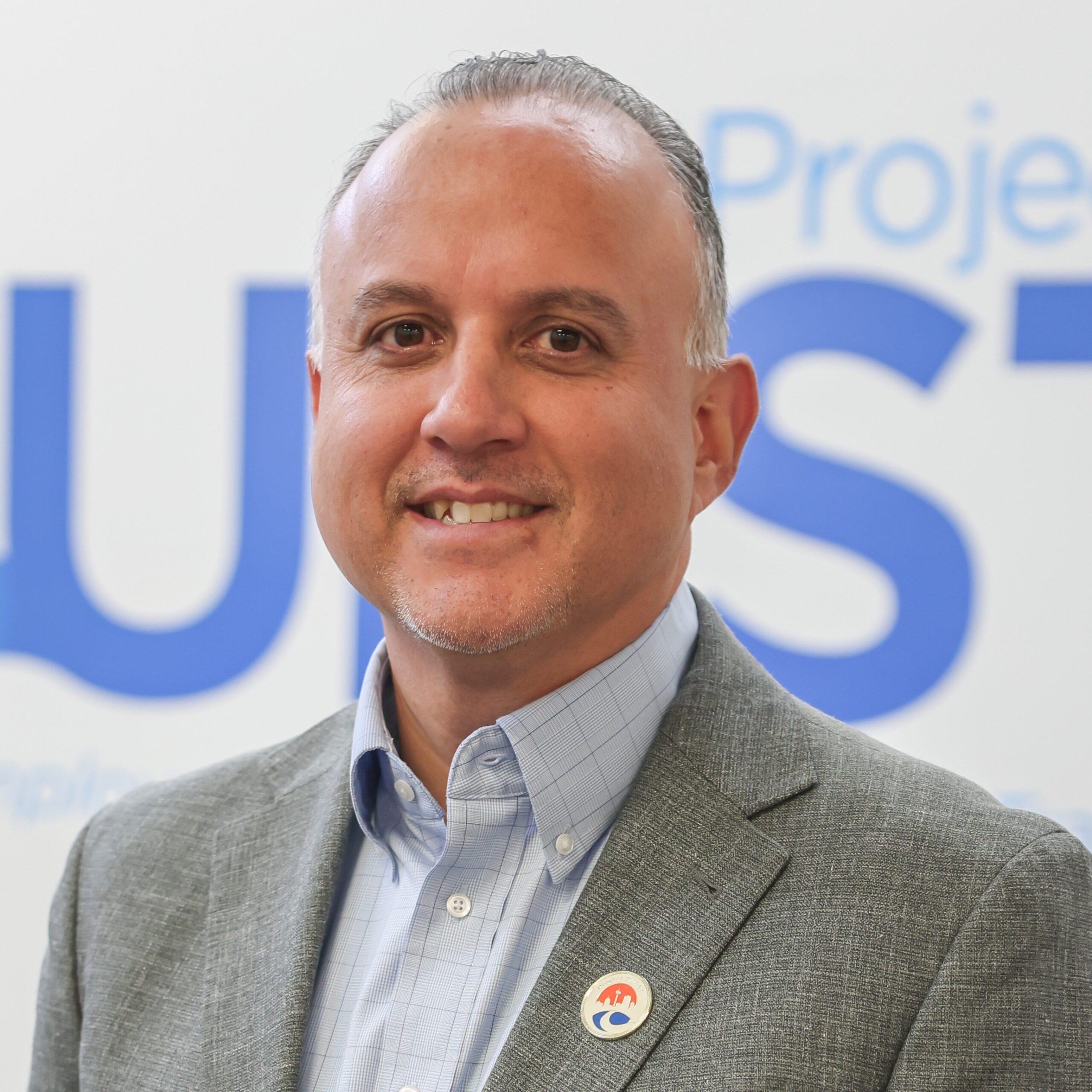
Francisco Martinez wearing a gray suit and blue checkered shirt smiling in front of a white backdrop with large blue words "Project Quest".

Project Quest

Represented by Francisco Martinez
President and CEO

It began as a response to a factory closure, and 32 years later, Project QUEST continues to reflect the grit and determination of the community it serves.

Project QUEST helps San Antonians build sustainable careers through every stage of workforce development. The organization supports adults by connecting them to career training along with wraparound services such as tuition support, rent assistance, and personalized coaching. Under the leadership of President and CEO Francisco Martinez, the mission is simple but powerful: guide, don’t prescribe. “We’re not here to do it for them,” Martinez said. “We’re here to walk alongside them the entire journey.”

Founded in 1992 after the closure of the Levi Strauss plant, Project QUEST was created to assist workers who were left behind. Today, it continues to reach adults who are unemployed, underemployed, or seeking new opportunities. The organization’s model centers on adults over 18, many of whom are single parents or first-generation college students. Martinez relates to their stories, stating, “I’m the first in my family to go to college, and I know how different life could have been for some of my friends if we had known about opportunities beyond just college.”

Project QUEST acts as a connector, not a training provider. It links individuals to education, resources, and job pathways while staying committed to each participant’s unique journey. Support can last anywhere from six months to three years, depending on the path taken. “We’re not transactional. We’re transformative,” Martinez emphasized. This transformation is powered by a team deeply rooted in the same neighborhoods they serve, with some staff members working at the organization for decades.

For Martinez, leadership is rooted in trust and shaped by experience. He sees the resilience of the community as a call to act with humility, consistency, and long-term commitment. As San Antonio grows, his focus is on ensuring that historically marginalized voices are included in the region’s future. He sees collaboration as essential. “Our job is to make sure those whispers are heard, even when the people we serve aren’t at the table themselves,” Martinez explained. “That’s why partnerships with organizations like Community First matter. We share the same commitment to meeting people where they are and helping them move forward.”

San Antonio Aids Foundation logo
George B. Hernández Jr. wearing a blue suit and yellow tie stands in front of a screen displaying "Proud to be Local".

San Antonio AIDS Foundation

Represented by Cherise Rohr-Allegrini
CEO

Testing can save lives. Treatment changes them. The San Antonio AIDS Foundation (SAAF) delivers both with urgency and compassion.

Founded in 1986 at the height of the AIDS epidemic, the nonprofit works to prevent new HIV and STI infections and provide resources for those living with HIV in a stigma-free, supportive environment. Chief Executive Officer Cherise Rohr-Allegrini leads with a public health perspective shaped by decades of experience and a personal connection to the HIV epidemic.

The foundation began as a volunteer-run hospice founded by Robert Edwards, known as “Papa Bear,” for people dying of AIDS who were often estranged from their families. As medical advances in the mid-1990s transitioned HIV from a fatal diagnosis into a manageable condition, SAAF shifted from residential care to outpatient services. By 2017, it had opened its own clinic, and in 2022, it began offering PrEP, a medication that prevents HIV. “We went from people dying of AIDS to people living with HIV,” Rohr-Allegrini said.

As survival rates improved, the mission expanded from end-of-life care to programs that keep people healthy and connected. Today, SAAF offers HIV and STI testing and treatment, case management, housing assistance, a daily meal program, mental health counseling, and oral health care. Staff also work to reconnect with patients who have missed appointments and guide them back into care. That trust often begins in simple moments, like a conversation over lunch.

Having the right staff makes the difference, Rohr-Allegrini said, which is why hiring focuses on people from the community who can talk openly about sexual health without judgment. Ongoing training ensures the team is prepared for sensitive conversations. Stigma remains the greatest barrier to prevention and treatment in San Antonio. “We work hard to ensure a safe, nonjudgmental environment,” she said.

Rohr-Allegrini’s commitment is grounded in early exposure to HIV awareness in California during the 1980s. She has lost friends to the disease, collaborated with SAAF over the years, and stepped into leadership in 2020. Despite funding challenges and high demand for services, the community fuels her persistence. “This community is so special,” she said. “I’m here for them, but really, they’re here for me.”

San Antonio Food Bank logo
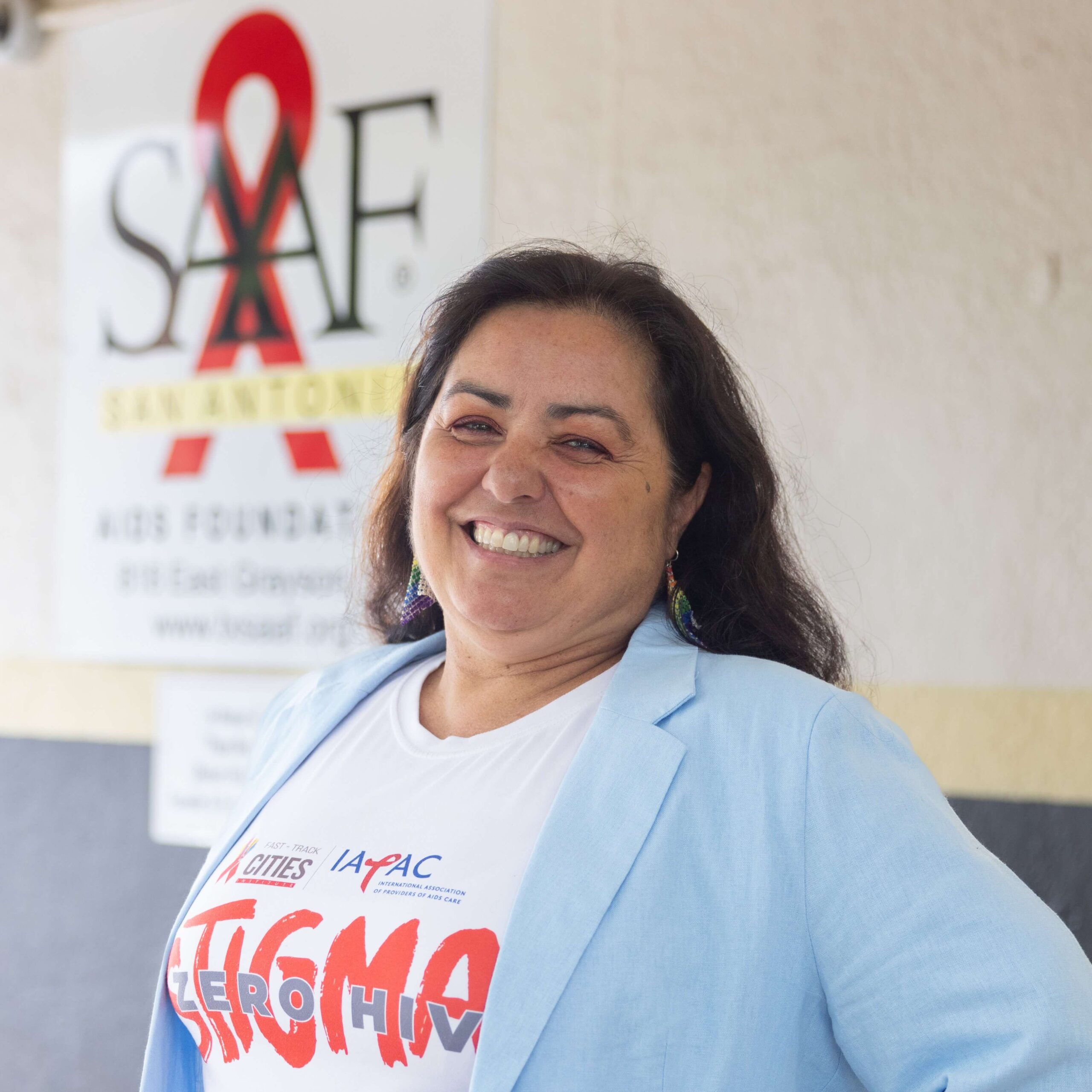
Eric Cooper in a black "San Antonio Food Bank" shirt reads a recipe book in a commercial kitchen.

San Antonio Food Bank

Represented by Eric Cooper
President and CEO

At the San Antonio Food Bank, access to food and nourishment is the first step toward stability, health, and opportunity.

Each week, the organization serves more than 100,000 people across 29 counties. But food alone is not the mission. Under the leadership of President and CEO Eric Cooper, the food bank has evolved into a hub for nourishment, stability, and economic mobility. “The mission is to fight hunger through food distribution, advocacy, and programs that help families move to self-sufficiency and self-reliance,” Cooper said.

When Cooper arrived 24 years ago, the food bank was smaller and focused mostly on canned goods. Today, most of the food it distributes is fresh produce sourced from farms, manufacturers, and retailers. Food drives, while highly visible, account for just 3 percent of the supply; the rest comes from the food industry, including rescued surplus and donated products.

The food bank’s model, “food for today, food for tomorrow, food for a lifetime,” addresses how hunger has changed over the decades. Families seeking help today are more likely to be working but underpaid, often balancing multiple jobs while raising children. Among them, Latina mothers are at the center of that need. “The lowest-paid worker in the American economy is a Latina,” Cooper said. Many are trying to support families with wages that barely cover rent, let alone groceries.

The food bank’s work goes beyond food assistance. It also supports access to living wages, health care, and education. That is where long-standing partnerships come in to help families access both care and nutrition.

Cooper’s commitment is personal. As a young man, he found his father homeless and surviving on donated meals. That experience changed the way he saw people in need. “I used to think hunger was just a math problem,” he said. “But the truth is, you have to give someone a meal while you teach them to fish.”

That belief continues to shape the food bank’s vision, driving programs that address both immediate hunger and long-term stability. At the San Antonio Food Bank, the food is just the beginning – they feed the line, but they also work to shorten it.

San Antonio Hispanic Chamber of Commerce logo
Luis Rodriguez in a grey suit and white shirt smiling at the camera.

San Antonio Hispanic Chamber of Commerce

Represented by Luis Rodriguez
President & CEO

Small businesses are the heartbeat of San Antonio’s economy. The San Antonio Hispanic Chamber of Commerce helps them grow, stay rooted, and thrive.

Established in 1929 by Latino business leaders excluded from other chambers, the organization has spent nearly a century championing access, equity, and inclusion. Today, it remains a critical force for small and minority-owned businesses across the city. From guiding members through certification processes to advocating for procurement opportunities, the chamber serves as both a connector and protector for the business community. “If you have a thriving small business base, you have a strong city,” said President and CEO Luis Rodriguez.

Rodriguez returned in 2024 to lead the chamber after previously serving as a staff member and later re-engaging as a volunteer and board member. His decision to return was inspired by observing small businesses as they grew, faced challenges, and thrived. He wanted to be involved in the efforts that help these businesses succeed.

Support is practical and personal. Members receive assistance organizing their financials, clarifying goals, and connecting to institutions such as LiftFund or local banks. Those early steps open doors to certification, contracts, and growth. “It’s tedious, but it’s critical,” Rodriguez said. “Once those pieces are in place, we can help them scale.”

The chamber’s advocacy has also shaped citywide change. In the early 1990s, just 1.8% of the City of San Antonio’s contract dollars went to small, minority, or women-owned businesses. Through its leadership in the Small Business Economic Development Advocacy (SBEDA) program, the chamber successfully increased that figure to over 50%, making it one of the highest rates in Texas. This impact goes beyond just the chamber's membership. As Rodriguez stated, "This plan didn’t just help Hispanic-owned businesses; it lifted everyone."

Looking ahead, the chamber is building new strategies for inclusive investment, capital access, and leadership development. Programs like the Latina Leadership Institute and the Alex Briseño Leadership Development Program continue to cultivate talent from across the city. The chamber’s mission remains grounded in representation, opportunity, and economic strength - ensuring that small business owners aren’t just surviving but shaping the future of the city.

San Antonio Zoo logo
Tim Morrow in blue polo and jeans stands near a large moss gorilla sculpture with colorful butterfly decorations overhead.

San Antonio Zoo

Represented by Tim Morrow
President and CEO

Conservation. Education. Community pride. The San Antonio Zoo brings all three together in ways that inspire visitors long after they leave.

Under President and CEO Tim Morrow, the nonprofit works to inspire people to “LEAP,” which stands for Love, Engage with, Act for, and Protect animals and the places they live. Their mission guides the zoo’s culture, its habitats, and the way it welcomes guests.

The zoo’s evolution is evident from the very start of the visit. A redesigned entrance showcases the spirit of San Antonio through vibrant colors, music, and art that convey the message, “This is your zoo, this is your city.” Inside, historic limestone walls from the site’s quarry days and WPA-era buildings constructed during the Great Depression are preserved and woven into new habitats. Larger, natural spaces for animals — including the upcoming return of gorillas after three decades — honor the zoo’s history while meeting modern standards for animal well-being. “We want people to feel good about the animals being here,” Morrow said. 

Community connection drives much of the work. More than 120,000 students visit each year, with over half from Title I schools whose trips are funded through donations and grants. Local Days and free ticket programs ensure families from all over can visit. Events such as Festival de Animales and Zoo Lights celebrate San Antonio’s heritage. Partnerships with schools, nonprofits, and city leaders help remove barriers so that the zoo remains a shared resource for the entire community.

For Morrow, it all begins with the people who make it possible. “They dedicate their lives to what they do here,” he said of the staff. “Ice storms, floods, tornadoes, they are here taking care of these animals.” That dedication was clear during the pandemic, when the team created the Drive-Thru Zoo to keep animals cared for and the community connected. Now, with major upgrades underway, including new habitats, event spaces, and expansion across U.S. 281, the vision is to honor a 111-year legacy while building a future the city can continue to be proud of. As Morrow put it, “The community has fallen in love with the zoo all over again.”

the YMCA logo
Louis Lopez wearing a suit spinning a basketball on his finger in a gymnasium.

YMCA of Greater San Antonio

Represented by Louis Lopez
President and CEO

The YMCA of Greater San Antonio improves local access to wellness, connection, and care.

For nearly 150 years, the Y has been a steady presence in the region. Today, it offers more than fitness. Its work spans mental health support, youth programs, senior engagement, and safe, family-centered spaces. Under the leadership of President and CEO Louis Lopez, the Y is staying relevant, responsive, and rooted in the communities it serves.

The Y’s current strategic plan prioritizes underserved communities and builds accountability through board representation, long-term partnerships, and responsive programming. Neighborhood YMCAs now offer mental health services onsite, rather than at stuffy clinical offices, which helps reduce stigma and improve access. Their community partnership with Community First helped keep that care available when grant funding ran out. “We’re seeing more of our families, and specifically men of color, coming to meet with their counselors,” Lopez beamed.

The Y also supports teens and seniors with programs built for long-term impact. Volunteens, a summer program for teens, blends service hours with leadership development and life skills. Many program participants go to work for the YMCA, gaining early workforce experience along the way. For seniors, the Y provides social opportunities as well as physical activity, meeting a critical need to prevent isolation in that group. “Our YMCA is here to improve, invest in, and enrich our communities through healthy living, social responsibility, and youth development,” Lopez said.

Lopez began his own YMCA career in 1999 as a youth sports director on San Antonio’s South Side, where he grew up. He now leads as the organization’s first person of color to hold the top role. His lived experience reflects the communities the Y serves, and his leadership centers equity, representation, and connection.

Charles Kight wearing a blue shirt holds a pillow with "Rock n Roll Grandpa" embroidered on it.

Charles Kight

Community First Health Plans
Former CEO and President

Building a community-based health plan from the ground up requires vision, persistence, and the right people. As the first CEO of Community First Health Plans, Charles Kight embodied all three.

When Community First opened for enrollment in 1995, the goal was simple in theory but complex in execution: to create an organized system of care for Medicaid members that reflected the community it served.

Kight’s path to that role began decades earlier. After working in health care administration in the U.S. Air Force, he joined the Bexar County Hospital District in 1974. By 1979, he helped launch the district’s first health plan, Good Health Plus, gaining the experience to lead Community First when Medicaid shifted to a managed care model. One of his first hires was Mary Helen Gonzalez, whose deep community knowledge and managed care expertise helped shape the organization’s foundation. “You’ve got to have a staff that reflects its members,” Kight said.

From assembling provider networks to implementing new technology, Kight focused on meeting the strict state requirements to open for enrollment. He built strong working relationships with state officials, advocating for local realities while delivering on regulatory expectations. Being the "new kids on the block" worked to their advantage; families already trusted the hospital district, now known as University Health, and recognized the plan as a natural extension of that care.

By 1996, Community First had reached break-even, driven by enrollment growth and community buy-in. Kight credits teamwork for that success. “No one person is going to make it successful. It is going to be all of us working together,” he said. Partnerships with local providers and community organizations ensured members had access to needed services beyond medical care.

Reflecting on the 30-year milestone, Kight sees the organization’s longevity as his greatest professional reward. “Starting the plan that's now in existence 30 years later, that's my reward. And I hope it's a reward to the community,” he said.

“It was enjoyable. There is great satisfaction in being part of a team that built something new, stood it up, and made it work.”

George B. Hernández Jr in a blue suit stands in front of a screen displaying "Proud to be local. Proud to be your plan."

George B. Hernández

University Health
CEO (Retired)

George B. Hernández Jr. devoted his career to improving the lives of people in South Texas. Hernández spent 41 years with University Health, working to transform health care in San Antonio, one project, partnership, and patient at a time.

Growing up on the south side of San Antonio made the mission personal for Hernández. He always knew he wanted to make a difference. In the early 1990s, the city was booming, and Hernández predicted the need for San Antonio’s health care system to grow with the city’s diverse, rapidly expanding population. In 1993, in his position as vice president of legal services for University Health, he helped secure the legislation needed to create Community First Health Plans. In 2005, he was named CEO of University Health.

“30 years ago, we only had two facilities, University Hospital and Robert B. Green downtown,” Hernández recalls. “Now we have 30+ clinics with many more physicians available, especially primary care providers.”

Hernández and his team worked tirelessly for the following decades to bring quality health care to the area.

“We didn’t just want to treat people when they were sick. We wanted to keep them healthy,” states Hernández.

Over time, Hernández reshaped University Health from a local safety-net hospital to a nationally recognized academic medical center. By creating CareLink, a financial assistance program for the uninsured, and opening multiple facilities, including a new Robert E. Green Campus and the Women’s and Children’s Hospital, he and his team helped expand access to care for South Texas residents.

Serving the community has also meant being there when it mattered most. During the COVID-19 pandemic, University Health organized mass vaccination sites across the city, vaccinating half a million people.

Strategic planning enabled University Health’s trauma teams to save lives in times of crisis, especially after the mass shootings in Sutherland Springs and Uvalde. “Sutherland Springs happened a year after we opened the Sky Tier with a new trauma center. What would have happened had we not started thinking about it in 2005?” Hernández pondered.

For more than 30 years, Hernández led with intelligence and heart to improve local health care and quality of life.

Mary Helen Gonzalez smiling in front of a colorful mural featuring people and the text "Community First Health Plan".

Mary Helen Gonzalez

Community First Health Plans
Executive Director of Member Services

Care for our Members. Believe in our team. That’s how Mary Helen Gonzalez has helped lead Community First Health Plans into something greater than she ever imagined.

As Executive Director of Member Services, Gonzalez has spent the last 30 years helping San Antonio families navigate care with dignity and clarity. The work is personal, because she was the first person in her family to even have health insurance. From being a migrant farmworker to becoming one of six founding members at Community First, she used her leadership skills to shape not just her department, but the entire organization.

Gonzalez trained the first ever Community First employees and even helped name the organization. With prior experience in corporate managed care, she recognized this as a rare chance to serve her community in a more personal way. The goal was to build something local, responsive, and rooted in trust. “We said, it’s about community being first,” she said. “That’s who we are.”

Her team deeply believes that every Member deserves to be treated with dignity and respect. Most importantly, they deserve to be heard. Gonzalez introduced advisory committees before they were required and created referral systems that went beyond medical needs. One of her earliest innovations was inviting Members with complaints in, thereby forming the first Member Committee. “I knew our members would provide honest feedback about their health plan and whether it met their health care needs,” she said. Some of those same Members still serve on the Community First Member Advisory Board today.

For Gonzalez, a well-trained team delivers more than good service. It reflects the values of the organization. “If I hire you, that means you would be an asset to my company, and I’m going to invest in you,” she said. That mindset shapes how she mentors emerging leaders today. As she looks toward retirement, she gives her team room to grow, encourages them to make decisions, and steps in to guide, not control. They are the future of Community First.

After 42 years in health care, she still finds purpose in being part of something built by and for the community. “We’re allowed to write our own narrative,” she said. “That’s what makes this different.”

Ashley Green and Veronica Simpkins select baby clothes from a rack in a hallway decorated with a green hedge wall.

Ashley Green and Veronica Simpkins

Latched
Co-founders and Co-executive directors

Latched is transforming how families in San Antonio receive care during pregnancy and early childhood. The non-profit takes a personal, practical approach built on trust.

Co-founders and co-executive directors Veronica Simpkins and Ashley Green met as nurses and lactation consultants. They hatched the idea for Latched during their first shared 12-hour shift. Observing how parents often lacked the breastfeeding support they needed when they got home from the hospital, they brainstormed how to bring care directly to families. They began with free, in-home breastfeeding support, and then the mission grew.

Simpkins and Green created Latched to address disparities in care by focusing on equity, cultural relevance, and accessibility. “We realized that for us to really help moms be successful, it was more than just helping them with breastfeeding,” Simpkins shares.

Today, Latched supports thousands of families yearly and provides diapers, hygiene kits, housing aid, food support, and parenting education. The families served inspire the programming, such as a curriculum for teen parents and workshops for fathers who wish to become more involved in childcare.

Community feedback drives every change. “We don’t create new services or programs unless our clients point out a need or gap to us,” explains Green. Their work reflects a deep commitment to listening, adapting, and meeting real needs.

Simpkins and Green did not know each other before founding Latched, but their skills aligned, and their partnership took root. Their co-leadership model allows them to share responsibility, balance tasks, and keep Latched sustainable. The work reflects the lived experiences of two women of color, born and raised in San Antonio.

As Latched grows, it remains focused on access, with plans to reach rural areas, bring services into schools, and end transportation barriers for families. Their mission is straightforward and unwavering: stay close, listen attentively, and create lasting solutions for local families.

George B. Hernández Jr. wearing a blue suit and yellow tie stands in front of a screen displaying "Proud to be Local".

Rene Escobedo

Community First Health Plans
Vice Chair (Longest-serving Board Member)

As Community First Health Plans’ longest-serving board member, Rene Escobedo has consistently demonstrated purpose and persistence since 2002. With a background in accounting and law, he brings a steady voice and critical perspective to the table. But what keeps him committed isn’t policy. It’s people.

“I really believe in the mission of Community First,” Escobedo said. “We’re talking about the most vulnerable people in our community.”

For more than 20 years, he has helped guide the organization through growth, scrutiny, and reinvention by asking questions, listening closely, and advocating for a community he understands.

Born and raised in San Antonio, Escobedo always remembers his roots. His connection to the city and community grounds his board service and shapes his commitment to those still facing barriers. “We were poor, but everybody was poor, so we didn’t know we were poor,” Escobedo said. “I don’t want to forget that.”

Escobedo remembers a time when Community First was still defining its role. Leadership transitions and internal questions prompted important conversations about its direction. “There was a time when we had to really define what that relationship with University Health should be,” Escobedo said. “To the credit of both organizations, we figured it out.”

Today, Escobedo sees a smarter, more responsive Community First that embraces technology, recognizes how people access care, and creates solutions tailored to the people of San Antonio. He points to innovations like mobile access, improved outreach, and affordable plans for every generation - changes that make care more accessible and attainable for the community.

Guiding rather than micromanaging has always defined Escobedo’s leadership approach. He listens. He asks. And he reminds others of who the work is meant to serve. “You have to ask if a decision is not only right for the organization,” he said, “but right for the community you represent.”

He doesn’t seek credit. But for more than two decades, his consistency, perspective, and deep sense of responsibility have helped shape the direction of Community First. His presence is a quiet form of leadership built on commitment, clarity, and care, and it remains rooted in the community that shaped him.

George B. Hernández Jr. wearing a blue suit and yellow tie stands in front of a screen displaying "Proud to be Local".

Glen Medellin, M.D.

University Health
Comprehensive Care Clinic

Care that listens. Care that stays. For Dr. Glen Medellin, it is the only way to practice medicine.

A pediatrician in San Antonio for 30 years, Medellin built his career around caring for children with special health care needs. At University Health, he founded the Comprehensive Care Clinic, which currently serves around 600 children whose medical conditions are among the most complex. His team includes physicians, nurses, social workers, and dietitians, all working together to address both medical and non-medical needs under one roof. “We’re not just working on their sickness and their limitations,” he said. “We’re working on what they can do and how healthy we can make them so they can do the things they want to.”

Medellin also pioneered pediatric hospice and palliative care at UT Health, becoming one of the first pediatricians in the country board-certified in the specialty. The work means walking with families through the hardest moments while helping them live fully. His approach is shaped by listening. “I sit there and just really try to get to know them, not only their medical problems, but who’s your family? What are your goals?” he said. That trust is visible each Fall at the clinic’s Halloween celebration, where decorated wheelchairs roll in alongside superheroes and princesses. For a day, children and families get to feel like any other family.

The clinic’s model is built on collaboration. Medellin worked closely with leadership at University Health and Community First Health Plans to show how coordinated care could improve outcomes, reduce hospitalizations, and streamline support. Together, they simplified approvals for equipment and referrals while helping families access benefits they may not know exist.

For Medellin, the reward is long-term relationships. Some patients he has known since infancy are now adults. The gratitude, trust, and the chance to help families navigate an overwhelming system keep him committed. “I love walking into the room and seeing my patients,” he said. “I love seeing them grow.”

Alamo City Arts logo
Cory Mcrae smiling with a dog stands between racks of colorful dresses.

Alamo City Arts

Represented by Cory McRae
President and CEO

Alamo City Arts makes the arts come alive by ensuring that they are more accessible to more people locally. Art has inspired and connected people for thousands of years, and ALAMO City Arts brings that sense of wonder and awe to San Antonio through vibrant, multicultural and multidisciplinary programming and creative collaboration among groups and individuals.

President and CEO, Cory McRae, has continued to push Alamo City Arts into a culturally relevant art collective where artists can meet and find inspiration in one another’s visions and talents. Founded in 1991 as a single dance company, Alamo City Arts now counts a symphony, concert band, stage company, mariachi academy, and ballet folklorico among its offerings. “When you work together as one unit, the result is richer,” McRae said. “You create something that feels whole, not pieced together.”

McRae joined in 2016, stepping into leadership with a clear goal to expand the organization’s reach and relevance. He and Artistic Director Katie Rodriguez Hall added new programs, merged them with existing ones, and launched fresh productions that have reflected the local culture. “My art is bringing people together,” McRae said. That philosophy fuels their mobile approach. Alamo City Arts performs across Bexar County and partners with Title I schools for afterschool dance programs and community access. “If you don't bring it to the community, some people won’t be able to experience it,” he said.

Community feedback drives the work. During the pandemic, McRae help produce a filmed version of the Nutcracker onsite at the McNay Art Museum. His team then distributed the film to hospitals and local families. In turn, that production sparked a partnership with Community First. Today, the organization continues to respond to evolving needs by modernizing ballet choreography to honor the cultures it portrays, preserving historic concert band music, and shaping new programs based on what families want to see. “You may think you know what the community needs, but you have to ask,” McRae said. “Do the legwork.”

For McRae, the arts are more than performance. They signify connection, heritage, and hope. He believes the arts can inspire young people to dream bigger and help neighbors see one another more clearly. “Art has always been how we understand ourselves and each other,” he said. “People think of it as a luxury, but it’s really the foundation of culture. It’s how we build a stronger community.”

Any Baby Can logo
Jenny Hixon wearing a pink floral blouse and red skirt smiles while standing in a playground.

Any Baby Can

Represented by Jenny Hixon
President and Chief Executive Officer

For more than 40 years, Any Baby Can of San Antonio has stood for one simple truth: families thrive when they’re treated with dignity, support, and human connection. The nonprofit provides free, in-home services for families raising children with special healthcare needs, including developmental and behavioral challenges. Under the leadership of President and CEO Jenny Hixon, the team is focused on expanding access while staying rooted in the values that shaped its beginning.

Any Baby Can (ABC) was founded to address high rates of child abuse among children with disabilities. That pattern is often tied to chronic stress, isolation, and a lack of resources. From the beginning, the goal has been to support parents early and holistically. Removing barriers remains central to helping families get the support they need to care for their children with confidence and stability. “We serve people regardless of income or residency,” Hixon said. “And meet families where they are, physically, emotionally, and relationally.”

Many of the families ABC serve face economic hardships and limited access to higher education or consistent health care. Navigating a child’s complex needs can be overwhelming. ABC steps in with in-home case management, bilingual support, and parenting education designed for real life. Their approach is built to ease the pressure, restore dignity, and make support feel possible. “It’s really been important to me to think about the dignity of people receiving services – that they’re able to access help in a way that affirms their value,” Hixon said.

Alongside direct support, ABC creates space for families to feel seen. At the annual holiday party, parents pick out and wrap gifts themselves, giving them the agency to choose what their child receives. During Boo Bash, children practice trick-or-treating in a sensory-friendly space. For families experiencing loss, ABC’s bereavement program offers steady, compassionate support, meeting them with care rather than conditions. “We can’t fix everything, but we’re not going to let families go through it alone,” Hixon said.

Looking ahead, Hixon is focused on expanding access and reducing isolation. The goal isn’t perfection. It’s belonging. “People taking care of people is what keeps me going,” she said. “That’s the kind of community we want to help build.”

The Arc of San Antonio logo
George B. Hernández Jr. wearing a blue suit and yellow tie stands in front of a screen displaying "Proud to be Local".

The Arc of San Antonio

Represented by Dona Kotzur
President and CEO

The Arc of San Antonio helps people live their best lives. That’s the goal, every day.

Founded in 1954 by parents who believed their children with intellectual and developmental disabilities deserved equal opportunities and inclusion, The Arc has grown into a trusted support system for over 2,400 individuals and families across Bexar County. Under President and CEO Dona Kotzur, the organization continues to evolve with the community it serves. “They deserve to be represented, valued, and seen,” Kotzur said. “If we can make that happen, then our job is done.”

The Arc provides tailored day programs, direct care, and case management to meet individual needs. On any given day, participants may volunteer, create artwork, or enjoy group outings to popular venues like bowling alleys and local restaurants. The sense of joy these activities create is intentional. During a portrait project with a local art school, one participant looked at his painting and said, “Did you know only rich people used to get their pictures painted? This makes me feel rich.” The portraits now hang in the building, with framed originals gifted to families each year.

Kotzur joined The Arc in 2020, one month before the pandemic hit. With programs paused, she used the time to connect directly with families, many of whom care for adult children at home without respite. Through this, she gained insight into critical gaps that form after high school, when the school bus stops coming and structured services often fall away. The Arc helps fill that space by offering community, routine, and development opportunities for adults who still need daily support. 

Access remains a priority, especially in underserved neighborhoods on San Antonio’s East and West sides. While funding and staffing shape the pace of growth, the vision is clear: reach more families, build stronger systems, and center the voices of those served. “We meet people where they are,” Kotzur said. “And we let them define what success looks like.”

San Antonio AVANCE logo
George B. Hernández Jr. wearing a blue suit and yellow tie stands in front of a screen displaying "Proud to be Local".

AVANCE San Antonio

Represented by Yesenia Alvarez-Gonzalez
Executive Director

Opportunity. Education. Connection. AVANCE San Antonio delivers all three for families starting their learning journey.

The nonprofit provides parenting education and early childhood education in a trusted, culturally responsive environment. For nearly 29 years, Executive Director Yesenia Alvarez-Gonzalez has led with what she calls “the AVANCE way” – a commitment to meeting families where they are, knocking on doors in the hardest-to-reach neighborhoods, and building relationships that last well beyond graduation. “Once an AVANCE family, you’re always an AVANCE family,” she said.

Founded in 1973 by Dr. Gloria Rodriguez with a $10,000 grant and a single housing unit classroom on the West Side, AVANCE has grown into a multimillion-dollar organization and a nationally recognized model. Flagship programs include the nine-month Parent-Child Education Program, Caminos al Futuro, and Early Head Start

Parents attend classes while their children learn next door in licensed child development centers. Teachers identify developmental needs early and connect families to partners for support. AVANCE’s two-generation approach also helps parents continue their education through GED, career readiness, and child development certification programs. “We set the foundation for early learning and family engagement, because this is just the beginning,” Alvarez-Gonzalez said.

The impact now spans generations. Former AVANCE babies return as professionals, parents, and sometimes staff, often sharing the moment they first stepped through the doors. About 35% of employees are program graduates. Many say their own experience with AVANCE shapes how they connect with families today. They understand the challenges of balancing work, school, and parenting because they’ve lived them. That shared history builds trust quickly and shows current participants what’s possible.

For Alvarez-Gonzalez, the work is deeply personal. Her own experiences with housing instability and single parenthood shape her leadership and mission. “This isn’t a job for me. It’s a mission,” she said. Seeing alumni walk their own children through AVANCE’s doors reinforces why it matters. “We’re here to change the conversation for families,” she stated. “So, the question isn’t if you’ll go to college, but which one.”

Big Brothers Big Sisters of South Texas logo
Denise Barkhurst sits on a green couch next to a large, Big Brothers Big Sisters logo.

Big Brothers Big Sisters of South Texas

Represented by Denise Barkhurst
President and CEO

At Big Brothers Big Sisters of South Texas, the mission is mentorship. The heart is trust. The impact is lifelong.

For nearly 50 years, Big Brothers Big Sisters of South Texas has matched young people with caring adult mentors. Under the leadership of President and CEO Denise Barkhurst, the organization has expanded its reach, deepened its programs, and redefined how meaningful, lasting relationships are built and sustained.

Barkhurst joined the agency in 1995 and has served as CEO for the past 17 years. In that time, she’s led a shift from transactional case management to a new service delivery model focused on consistency and connection. “Everyone told me it would never work,” she said. “And it worked beyond anyone’s expectations.” Since 2016, the team’s new approach has kept volunteer retention above 90 percent. Before the new model, it was 68 percent.

The needs of today’s youth have evolved, but the mission – providing support through mentorship – remains unchanged. The program continues its commitment to prevention, while also serving youth already coping with trauma. Boys make up the majority of those waiting for a mentor. Yet, men remain underrepresented among volunteers. “We really need men,” Barkhurst said. “It doesn’t take much time. You can be a role model. You can make a difference.”

Big Brothers Big Sisters of South Texas also supports the families behind every child. When parents asked for guidance, the team responded by creating a parenting curriculum tailored to their needs. That same mindset shapes the workplace. With just 45 staff across six cities, the organization invests in culture, training, and leadership development. “You have nothing of quality and value to offer the community unless you have your house in order,” Barkhurst said.

The outcomes are deeply personal. Eric, a former Little, first met Barkhurst at the age of five. He later became a member of the Youth Board, earned a master's degree, and now serves on the BBBS National Youth Council. Stories like his inspire the organization's efforts. As it celebrates its 50th anniversary, the team is focused on expanding its reach, enhancing its impact, and preparing the next generation for success.

Brighton Center logo
Katrina Campbell in a red dress with one arm raised stands on a colorful playground structure.

Brighton Center

Represented by Katrina Campbell
CEO

Under the leadership of Chief Executive Officer Katrina Campbell, Brighton Center has served as a lifeline for local children with disabilities or developmental delays and their families for more than five decades. Brighton Center delivers the support these families need, including speech and occupational therapy, inclusive preschool, early childhood education, and special education advocacy. As CEO Katrina Campbell puts it, “Brighton is its own community, and we exist to lift up not just the children we serve, but their families, their schools, and the San Antonio community as a whole.”

The needs of the community drive everything the organization does. Originally founded as a school for children with Down syndrome, Brighton has grown over the years by listening closely to families and addressing requests and gaps in care. Each program has sprung from a simple guiding question: What do these families need to thrive?

Finding resources and navigating red tape can be overwhelming for parents of children with disabilities. For this reason, Brighton’s work goes beyond clinical care to help families understand complex systems and access the resources available to them. “A lot of resources exist,” Campbell shared. “But knowing what help you need, when you will need it, and how to access it can be giant barriers.”

After mainstream schools began accepting children with Down syndrome, Brighton parents expressed a need for care for their younger children. “So, we started a preschool.” explains Campbell. “Then we realized the kiddos needed early intervention services. We contracted with the state to add speech, occupational, and physical therapy services.”
When these families express that they no longer feel alone, the Brighton Center team knows they are on the right track. That serves to fuel the team’s commitment, from therapists working on living room floors to advocates working within the intricacies of state policies.

Brighton’s evolution is ongoing. The center remains focused on early access, family support, and building inclusive communities where children of all abilities can reach their full potential.

Children Achieving Maximum Potential CAMP logo
Susan Osborne in a blue wrap dress walks on a path in a leafy park.

Children’s Association for Maximum Potential (CAMP)

Represented by Susan Osborne
CEO

“Belonging:” More than a mere feel-good concept, belonging defines the entire mission in action at CAMP.

The Children’s Association for Maximum Potential (CAMP) creates spaces where people with disabilities feel seen, supported, and celebrated. Led by CEO Susan Osborne for the past 21 years, the organization provides year-round programs rooted in recreation, respite, and education. Each summer, CAMP trains more than 600 teen and young adult volunteers to serve as one-to-one counselors for campers with physical or developmental disabilities. “Our core values are dignity, respect, and belonging,” Osborne said. “And we teach that from day one.”

Since 1979, CAMP has served children with special needs. Today, CAMP offers an array of programs, reaching individuals up to age 55. Parents now rely on CAMP for more than just a weeklong summer break. CAMP families need continued support even after they return home. Osborne sees firsthand how few options exist once a child ages out of the school system. “Especially for parents of children who may never outgrow certain needs, the chance to rest and feel their child is included means everything,” she said. Her own personal connections to disability gave her an early understanding of what that kind of trust requires.

Osborne credits CAMP’s culture and volunteers for keeping her grounded on the hard days. She also points to a recent internal shift that strengthened their operations. The team adopted the Entrepreneurial Operating System (EOS), a shared framework that emphasizes clarity, accountability, and alignment. “It’s a collective agreement for how we work together,” Osborne said. She believes nonprofits must be recognized as businesses too, managing complex operations and multimillion dollar budgets. At CAMP, that includes training seasonal teams that quadruples in size during the summer. For many families, knowing their child will be supported by a one-to-one counselor who is prepared, compassionate, and fully present makes all the difference.

Looking ahead, Osborne remains focused on inclusion, growth, and connection. “Success,” she said, “is always measured in hugs.”

The Carver Cultural Arts Center logo
George B. Hernández Jr. wearing a blue suit and yellow tie stands in front of a screen displaying "Proud to be Local".

The Carver Cultural Arts

Represented by Cassandra Parker-Nowicki
Executive Director

Art lives at The Carver Cultural Arts Center. So does history.

For nearly a century, the Carver has been a hub of creative expression, cultural preservation, and community care on San Antonio’s East Side. Established in 1929 to serve the Black community during a time of segregation, it has hosted legends like Ella Fitzgerald and Duke Ellington, served as a flood refuge, and connected generations through storytelling and performance. Today, Executive Director Cassandra Parker-Nowicki leads with vision rooted in legacy and curiosity. “The Carver was a dream job,” she said. “I came here as a teen, and it shaped what I wanted to do with my life.”

Under Parker-Nowicki’s leadership, the Carver remains committed to celebrating Black culture through a multidisciplinary arts model that’s accessible and relevant. Each season blends global artists with local voices. The Carver supports new work, commissions performances, and presents exhibitions in its gallery space, while also prioritizing arts education and community outreach. Programs are designed not just to entertain but to inspire and heal. “The arts are essential to any thriving community,” she said. “They help us process grief, envision possibility, and stay connected to our humanity.” The Carver’s modern vision was shaped by former director Jo Long, whose 25-year tenure built its national reputation as a multicultural arts center.

The Carver has weathered decades of change in its surrounding community, from desegregation to displacement. Through it all, it has kept its doors open and its mission clear. The Carver now operates through a public-private partnership between the City of San Antonio and the Carver Development Board. That collaboration helps sustain a robust calendar of performances, youth programs, and cross-sector initiatives that increasingly intersect with healthcare, the military, and education.

Parker-Nowicki is driven to lead by questions that matter. What stories need telling? Who isn’t being heard? How can the Carver stay true to its roots while reaching forward? Her approach honors tradition while embracing innovation. “We have to make sure The Carver continues to tell the stories of this community and invites everyone to be part of it,” Parker-Nowicki said.

CentroMed logo
Ernesto Gómez in a suit sits on a chair next to a CentroMed advertisement featuring a mother and daughter.

CentroMed

Represented by Ernesto Gómez, Ph.D.
President and CEO

Access to care changes lives. CentroMed makes it possible for families who may otherwise go without essential medical services.

Founded more than 50 years ago by President and CEO Dr. Ernesto Gómez, CentroMed was born out of his experiences growing up on San Antonio’s West Side as the 13th of 14 children. Gómez witnessed firsthand how poverty, lack of insurance, and a limited number of providers left his community without basic medical care. In its early years, CentroMed offered a wide range of social services, from senior nutrition programs to emergency utility assistance, but soon made a strategic shift. “We decided to concentrate on one thing and do it well,” Gómez said. That focus became affordable, high-quality health care for those who need it most.

Today, CentroMed centers its work on three essential areas: primary care, dental care, and behavioral health. The clinics provide comprehensive services in pediatrics, adult medicine, and women’s health, including OB-GYN services, alongside inpatient care. Dental care meets a need that is often financially out of reach, while behavioral health services address mental health in communities where stigma still creates barriers. Screening for non-medical drivers of health, the organization connects patients to trusted partners for food, housing, and utility assistance.

The communities CentroMed serves have changed little over the decades. Poverty, low educational attainment, and high rates of preventable disease remain constant. As individuals improve their circumstances, they often move on, and new families facing similar challenges take their place. Gómez recruits physicians, dentists, and behavioral health specialists who not only meet high professional standards but also share the mission. “We want clinicians that have a sense of mission, willing to meet the challenge,” he said.

Generations of role modeling have created a lasting impact. Patients who once sat in CentroMed waiting rooms as children have returned as doctors and dentists, inspired by those who cared for them. Photos of young patients aspiring to enter the profession line clinic walls, a reminder that quality care not only treats illness, but also shapes futures. “Seeing kids grow up, succeed, and come back to serve their community – that’s the most promising thing we see,” Gómez said.

Clarity Child Guidance Center logo
George B. Hernández Jr. wearing a blue suit and yellow tie stands in front of a screen displaying "Proud to be Local".

Clarity Child Guidance Center

Represented by Jessica Knudsen, LCSW, FACHE
President and CEO

Healing starts with listening. At Clarity Child Guidance Center, it also starts with trust.

Founded in 1886 as the Protestant Home for Destitute Children, Clarity has grown into  a leading nonprofit in South Texas solely focused on children’s mental health. Serving kids ages 3 to 17, Clarity offers inpatient, outpatient, and day hospital programs.  Under President and CEO Jessica Knudsen, the organization has expanded services, deepened its trauma-informed care, and opened a new clinic in a long-underserved area.  “Our mission is to support children and families in their pursuit of mental wellness,” Knudsen said.

The need keeps growing, and Clarity keeps showing up. Thirty years ago, it had 40 inpatient beds. Now it has 74. Services have expanded to include 24/7 crisis care, school partnerships, and a new model for intensive community-based therapy. In January 2025, Clarity opened a center at Southside ISD to serve what Knudsen calls “a mental health treatment desert south of downtown.” Families come from every part of the city, and the children they see reflect San Antonio’s population. More girls than boys seek services, which Knudsen attributes in part to lingering stigma around help-seeking.

Clarity’s team includes therapists, nurses, psychiatrists, and psychologists who don’t just show up, they stay. “The people here are the most dedicated I’ve ever worked with,” Knudsen said. “It is truly a group of mission-driven individuals.” Staff are trained to ask why, not just enforce rules. Through the Clarity Care model, kids are guided to calm down and reflect, rather than face punishment for acting out. Success shows up in small moments. A kid running on the playground. A laugh. A choice to speak instead of shutting down. Some families return years later just to say thank you.

What drives Knudsen is simple: do the next right thing. That mindset shapes every decision and keeps Clarity focused on meeting families where they are, with compassion and care.

CommuniCare logo
George B. Hernández Jr. wearing a blue suit and yellow tie stands in front of a screen displaying "Proud to be Local".

CommuniCare

Represented by Paul Nguyen, MHA
President and CEO

Health care can be confusing. CommuniCare makes it simpler.

For more than 50 years, CommuniCare has worked to ensure families get timely, affordable care regardless of income or insurance. The nonprofit offers medical, dental, behavioral, and specialty care across San Antonio and now serves more than 128,000 patients each year. President and CEO Paul Nguyen, who joined in 2007, leads with a personal understanding of the stakes. “We immigrated here from Vietnam,” he said. “Health care was overwhelming. I got into this work to simplify the system for people like my parents.”

When Nguyen first arrived, CommuniCare served about 10,000 patients. Since then, the organization has expanded its footprint, built new clinics in underserved areas, launched digital education efforts, and grown into a full-service network. It now operates its own pharmacies, employs its own doctors, and negotiates directly with specialists to lower costs for uninsured and underinsured patients. Twenty percent of CommuniCare’s patients are self-pay. Nguyen’s team leverages the other 80 percent to expand access for everyone. “We want care to be available when people need it,” Nguyen said. “Not two weeks from now.”

From school-based screenings to online health education, preventive care is at the heart of CommuniCare’s mission. The organization invests in education, early intervention, and outreach to reach families before health issues escalate. Clinics are strategically placed, often guided by school district data and projected growth. Digital tools like YouTube and social media now complement in-person efforts to educate younger generations. Some families have trusted CommuniCare with their health care needs for four generations, a reflection of their high-quality services and deep community ties.

For Nguyen, community means showing up with care and creativity. His leadership is grounded in lived experience and a commitment to meeting people where they are. “There’s no magical formula,” he said. “But there are creative ways to make it work. One of those is rethinking how care spaces are designed. Most clinics are designed by doctors for doctors. Ours are designed for patients, by patients.”

Down Syndrome Association logo
Brian Lopez smiling sits on a blue playground slide wearing a patterned blue shirt and jeans.

Down Syndrome Association of South Texas

Represented by Brian Lopez
Executive Director

Support for every life stage. Connection at every turn. Those are the promises the Down Syndrome Association of South Texas (DSASTX) has worked to uphold for decades.

Each year, the organization delivers more than 22 programs designed to support individuals with Down syndrome, from birth through adulthood. That includes prenatal and hospital outreach, early childhood development, teen leadership, and adult socialization. Under the leadership of Executive Director Brian Lopez, the team takes a whole-family approach that evolves with community needs. “We support the individual, yes, but we also support the whole family,” Lopez said.

Support may look like hospital visits, sensory-friendly playgroups, caregiver training, or weekend family gatherings. Teens may join leadership programming and later connect with others at adult club nights or advocacy events. DSASTX started hosting karaoke nights and monthly meetups at the request of the adults they serve. Many families stay engaged in DSASTX activities year after year, and in 2024, volunteers contributed more than 5,000 hours to help make that possible.

Lopez brings more than two decades of experience in the intellectual and developmental disability field and a personal connection through his nephew. He leads with a direct-service mindset shaped by years of casework, program development, and advocacy. He states, “It’s always about what’s next—how do we help them keep growing?”

At DSASTX, growth means building trust over time and creating safe spaces and fostering joy. The organization’s commitment to adaptability and inclusion means that participants help shape new ideas, families stay involved across life stages, and every program amplifies the voices of those it serves. Through work continues with care, curiosity, and consistency, DSASTX remains a steady source of support and a reflection of the community it serves.

Logo of Health Collaborative
Elizabeth Lutz wearing a light blue blouse, with greenery and a building in the blurred background.

Health Collaborative

Represented by Elizabeth Lutz
Executive Director

Community. Collaboration. Trust building. Access to quality health care.

These tenets drive the work of the Health Collaborative to improve our community's health outlook. To this end, they have united a mighty collective of great minds and servant leaders from multiple local health-focused organizations who make up the Health Collaborative. As Executive Director, Elizabeth Lutz has championed health literacy and equity by bringing the right people to the Health Collaborative table for years.

Under Lutz's leadership, the organization has played a key role in advancing health literacy so that the people they serve have the right tools to make informed decisions about their health. Local community health workers and "promotoras" already working in the community are the trusted messengers who bring resources directly into neighborhoods.

"When people have the right information delivered by the right messengers in various accessible ways, it has a lasting impact."

The pandemic proved how powerful collaborative problem-solving can be. This united approach made the Health Collaborative a trusted community partner and leader during the crisis, when the Health Collaborative expanded its services to fill in the gaps in care when other avenues for these services had to close.

Lutz continues to lead with humility and a deep sense of responsibility. The example set by past leaders has shaped her approach to listening, learning, and showing up for her community. Lutz expressed a lifelong desire to make an impact. "I knew I wanted to give back because I know this community, my family, where we came from, and the challenges we experienced."

Looking ahead, the Health Collaborative team will continue empowering individuals to advocate for their health care and transform our community.

House of Neighborly Service
Sandra Morales with lion puppet peeking through red curtains of a toy theatre stage.

House of Neighborly Service

Represented by Sandra Morales
Executive Director

Sometimes care looks like a hot meal, paying someone’s utility bill on time, or helping a child process big feelings through play.

At House of Neighborly Service, these everyday moments reflect more than a century of community care. Now in its 108th year, the organization provides wraparound support for senior citizens and families on San Antonio’s near West Side. Executive Director Sandra Morales leads with a steady focus on meeting real needs.

Morales first joined the team as a parent educator and later stepped into the executive role in 2014. Since then, she has helped grow the budget from under $480,000 to $2.1 million and the team to near thirty members. What drives her isn’t growth for its own sake but making sure our neighbors feel seen. “Helping the families who are just living paycheck to paycheck, deciding which bill to pay or not to pay, is what keeps me going,” she confided.

The House of Neighborly Service has expanded its services to help our neighbors navigate such difficult real-life decisions. Seniors receive meals, home visits, and safety checks for conditions like narrow doorways or steep steps. Mental health is now a key focus, with free play therapy for children and more support for older adults experiencing grief, isolation, or change.

Morales sees the organization’s work as essential. “Little things can be a big thing,” she said. Families often return after months away, not for anything new, but to see someone familiar who remembers their story.

For Morales, success is rooted in relationships. She sees the next chapter as deepening this trust and expanding access even further. Showing up, listening closely, and offering care with dignity — that’s what keeps neighbors coming back.

MLK Commission logo
Dr. Doshie Piper smiling in a colorful print dress reading documents while sitting on a couch in front of a large painting.

San Antonio Martin Luther King Jr. Commission

Represented by Dr. Doshie Piper
Commission Chair

Unity. Service. Legacy. The San Antonio Martin Luther King Jr. Commission works year-round to keep all three pillars alive in our community.

As Commission chair, Dr. Doshie Piper leads the city-appointed volunteer body that organizes one of the largest MLK marches in the nation. The multi-day observance includes worship services, youth events, an interfaith gathering, and a commemorative program, all culminating on the third Monday in January. The work honors Dr. King’s life and legacy while addressing the city’s own racial and economic divides. “Equity has to be fought for,” Piper said. “It doesn’t just magically appear.”

Founded as a city commission in 1987, the group continues a tradition started by local educator and preacher Rev. R.A. Callies, who inspired students to march in King’s honor. Today, the march draws well over 200,000 participants annually, while the commemorative program provides a platform for small businesses to connect with the community. The Commission also awards scholarships to Bexar County high school seniors, with a targeted outreach to African American male students. In 2024, 26 students received awards ranging from $5,000 to $20,000.

Piper, a Houston native and University of the Incarnate Word professor, stepped into leadership after serving as secretary and vice chair. In her role as chair, Piper is working to deepen the Commission’s ties with other cultural and civic events, from the César Chávez March to Fiesta, reflecting a commitment to broader solidarity. “The only way we highlight and showcase unity is by showing up,” she said.

The interfaith service remains a centerpiece, reflecting King’s alliances across faith traditions. For Piper, the sight of leaders from Christian, Muslim, Jewish, Hindu, and Sikh communities gathered reinforces the message that justice is universal.

Looking ahead, the Commission is preparing for its 40th anniversary in 2027, with plans to expand access, strengthen community partnerships, and maintain the march as a unifying force. For Piper, the reward comes in moments like standing at the crest of the march route, looking back at a sea of people. “Serving is something sacred,” she said. “It’s giving from the heart, and it makes it all worth it.”

NAMI (National Alliance on Mental Illness) logo
George B. Hernández Jr. wearing a blue suit and yellow tie stands in front of a screen displaying "Proud to be Local".

NAMI San Antonio

Represented by Doug Beach
Executive Director

San Antonio is developing a more robust network of mental health support, with NAMI San Antonio leading the charge.

The nonprofit supports individuals and families affected by mental health conditions through free classes, peer-led support groups, and community outreach. It began about 40 years ago around a kitchen table, when local parents came together to support one another while caring for family members with serious mental illness. Executive Director Doug Beach has led the organization in various roles for more than a decade, guided by personal experience and a belief in transparency. “We change lives. We save families. We save people,” Beach said. “And that’s what NAMI does.”

Mental health awareness has grown over the past 30 years, especially since the pandemic-induced isolation, but access to care and resources remains uneven. Many neighborhoods still lack trusted, affordable care, and in Hispanic and Black communities, stigma can often discourage open conversation. NAMI’s grassroots model responds by reaching people in familiar settings. That may be in a church on the East Side, a school classroom, or a Spanish-language workshop on the West Side. All programs are taught by people with lived experience, helping participants see the person before the illness. The Bridges to Care program, which Beach brought to San Antonio, focuses on education and early intervention, teaching communities to recognize signs, offer support, and connect people to help before a crisis hits.

Youth mental health is a growing priority. NAMI’s school-based programs educate students about topics such as suicide prevention and cyberbullying while equipping parents, teachers, and coaches with the same tools to create open dialogue. “Kids are ready, willing, and able to talk about mental health,” Beach said. “We just need to give them someone to talk to.”

Looking ahead, the organization plans to expand into more neighborhoods, strengthen its Bexar Warm Line service, and continue destigmatizing mental illness. “Every person in San Antonio should have access to understanding, resources, and a supportive community,” Beach concluded.

opportunity home logo
George B. Hernández Jr. wearing a blue suit and yellow tie stands in front of a screen displaying "Proud to be Local".

Opportunity Home

Represented by Michael Reyes
President and CEO

For thousands of San Antonio families, Opportunity Home is more than housing assistance – it’s stability, resources, and a path forward.

As the largest affordable housing provider in Texas, the organization serves more than 62,000 residents through public housing, Housing Choice Vouchers, and mixed-income programs. More than 40 percent of its residents are children. “There are kids out there depending on us to make really hard, tough decisions,” President and CEO Michael Reyes said. “We have to live up to that expectation.” Reyes grew up in public housing at Alazán-Apache Courts in San Antonio and now leads the organization he once called home.

Under Reyes's leadership, Opportunity Home is focused on addressing an urgent need, as more than 46,000 people are on the waitlist for affordable housing in San Antonio. Opportunity Home is modernizing 6,000 public housing units and bringing back 1,744 that were lost in previous decades. A $1.3 billion construction effort will add thousands of new affordable units across the city, placing homes near jobs, schools, and transit.

Building and preserving housing is only part of the work. Community partnerships with local agencies, schools, and nonprofits enable Opportunity Home to make an impact beyond rental assistance through educational opportunities, transportation assistance, afterschool programs, tutoring, and job training. For elderly and disabled residents, community partners help create opportunities for social connection and access to essential resources. “The scope is whatever the family needs,” Reyes said.

Reyes credits Opportunity Home’s impact to a team that understands the work is personal. Many have served for years, driven by a shared commitment to public service and compassion. He encourages staff to spend time in the community, listening to residents and seeing their challenges firsthand. “It’s important for them to see a photo of our families and say, this is who you work for. These are your bosses,” Reyes said. For him, leading Opportunity Home means honoring that responsibility every day and continuing the mission the organization has carried forward since 1937.

Project Mend logo
George B. Hernández Jr. wearing a blue suit and yellow tie stands in front of a screen displaying "Proud to be Local".

Project MEND

Represented by Cathy Valdez
CEO

Mobility changes everything. Project MEND makes it possible.

Based in San Antonio, Project MEND provides refurbished medical equipment to people across Texas who might otherwise go without. From walkers and wheelchairs to hospital beds and power scooters, Project MEND fills a critical gap in health care access. When CEO Cathy Valdez joined 20 years ago as a grant writer, she quickly became invested in the mission and committed to its growth. “You get one win, and you just keep going,” she said.

Throughout her tenure, Project MEND has grown from a staff of five that operated out of a hard-to-reach warehouse, to 17 employees serving 46 counties through a full-service facility. That growth came through persistence, community support, and creative thinking. A move to a centrally located building improved access for clients and boosted visibility across the city. The team launched an eBay store to sell unusable parts and invested in warehouse technicians, delivery staff, and case managers to serve more clients. Every item is sanitized, sized, and prescribed to fit the individual. Licensed by the state, Project MEND follows strict protocols and serves as a model for safe, responsible distribution. “We’re not just handing out equipment,” Valdez said. “We’re giving people what they need to move, to heal, to live.”

Demand is especially high as the local senior and veteran populations grow. In Military City USA, Project MEND fills the gap when VA delays leave veterans waiting for critical equipment. Some donations come from generous supporters, while others come from past clients who return to volunteer, creating a cycle of trust and giving. A one-time $20 enrollment fee unlocks access to essential equipment at no cost. Families often arrive worried about how to afford a wheelchair, only to leave with one they can use immediately. One grandmother was finally able to attend her grandson’s baseball game.

For Valdez, every item has a story. The mission is personal, and the impact is generational. She hopes everyone thinks of Project MEND as a partner in their journey to regain mobility and independence. “We are changing lives one piece of equipment at a time while building a stronger, more connected community,” she said.

Project Quest logo
Francisco Martinez wearing a gray suit and blue checkered shirt smiling in front of a white backdrop with large blue words "Project Quest".

Project Quest

Represented by Francisco Martinez
President and CEO

It began as a response to a factory closure, and 32 years later, Project QUEST continues to reflect the grit and determination of the community it serves.

Project QUEST helps San Antonians build sustainable careers through every stage of workforce development. The organization supports adults by connecting them to career training along with wraparound services such as tuition support, rent assistance, and personalized coaching. Under the leadership of President and CEO Francisco Martinez, the mission is simple but powerful: guide, don’t prescribe. “We’re not here to do it for them,” Martinez said. “We’re here to walk alongside them the entire journey.”

Founded in 1992 after the closure of the Levi Strauss plant, Project QUEST was created to assist workers who were left behind. Today, it continues to reach adults who are unemployed, underemployed, or seeking new opportunities. The organization’s model centers on adults over 18, many of whom are single parents or first-generation college students. Martinez relates to their stories, stating, “I’m the first in my family to go to college, and I know how different life could have been for some of my friends if we had known about opportunities beyond just college.”

Project QUEST acts as a connector, not a training provider. It links individuals to education, resources, and job pathways while staying committed to each participant’s unique journey. Support can last anywhere from six months to three years, depending on the path taken. “We’re not transactional. We’re transformative,” Martinez emphasized. This transformation is powered by a team deeply rooted in the same neighborhoods they serve, with some staff members working at the organization for decades.

For Martinez, leadership is rooted in trust and shaped by experience. He sees the resilience of the community as a call to act with humility, consistency, and long-term commitment. As San Antonio grows, his focus is on ensuring that historically marginalized voices are included in the region’s future. He sees collaboration as essential. “Our job is to make sure those whispers are heard, even when the people we serve aren’t at the table themselves,” Martinez explained. “That’s why partnerships with organizations like Community First matter. We share the same commitment to meeting people where they are and helping them move forward.”

San Antonio Aids Foundation logo
George B. Hernández Jr. wearing a blue suit and yellow tie stands in front of a screen displaying "Proud to be Local".

San Antonio AIDS Foundation

Represented by Cherise Rohr-Allegrini
CEO

Testing can save lives. Treatment changes them. The San Antonio AIDS Foundation (SAAF) delivers both with urgency and compassion.

Founded in 1986 at the height of the AIDS epidemic, the nonprofit works to prevent new HIV and STI infections and provide resources for those living with HIV in a stigma-free, supportive environment. Chief Executive Officer Cherise Rohr-Allegrini leads with a public health perspective shaped by decades of experience and a personal connection to the HIV epidemic.

The foundation began as a volunteer-run hospice founded by Robert Edwards, known as “Papa Bear,” for people dying of AIDS who were often estranged from their families. As medical advances in the mid-1990s transitioned HIV from a fatal diagnosis into a manageable condition, SAAF shifted from residential care to outpatient services. By 2017, it had opened its own clinic, and in 2022, it began offering PrEP, a medication that prevents HIV. “We went from people dying of AIDS to people living with HIV,” Rohr-Allegrini said.

As survival rates improved, the mission expanded from end-of-life care to programs that keep people healthy and connected. Today, SAAF offers HIV and STI testing and treatment, case management, housing assistance, a daily meal program, mental health counseling, and oral health care. Staff also work to reconnect with patients who have missed appointments and guide them back into care. That trust often begins in simple moments, like a conversation over lunch.

Having the right staff makes the difference, Rohr-Allegrini said, which is why hiring focuses on people from the community who can talk openly about sexual health without judgment. Ongoing training ensures the team is prepared for sensitive conversations. Stigma remains the greatest barrier to prevention and treatment in San Antonio. “We work hard to ensure a safe, nonjudgmental environment,” she said.

Rohr-Allegrini’s commitment is grounded in early exposure to HIV awareness in California during the 1980s. She has lost friends to the disease, collaborated with SAAF over the years, and stepped into leadership in 2020. Despite funding challenges and high demand for services, the community fuels her persistence. “This community is so special,” she said. “I’m here for them, but really, they’re here for me.”

San Antonio Food Bank logo
Eric Cooper in a black "San Antonio Food Bank" shirt reads a recipe book in a commercial kitchen.

San Antonio Food Bank

Represented by Eric Cooper
President and CEO

At the San Antonio Food Bank, access to food and nourishment is the first step toward stability, health, and opportunity.

Each week, the organization serves more than 100,000 people across 29 counties. But food alone is not the mission. Under the leadership of President and CEO Eric Cooper, the food bank has evolved into a hub for nourishment, stability, and economic mobility. “The mission is to fight hunger through food distribution, advocacy, and programs that help families move to self-sufficiency and self-reliance,” Cooper said.

When Cooper arrived 24 years ago, the food bank was smaller and focused mostly on canned goods. Today, most of the food it distributes is fresh produce sourced from farms, manufacturers, and retailers. Food drives, while highly visible, account for just 3 percent of the supply; the rest comes from the food industry, including rescued surplus and donated products.

The food bank’s model, “food for today, food for tomorrow, food for a lifetime,” addresses how hunger has changed over the decades. Families seeking help today are more likely to be working but underpaid, often balancing multiple jobs while raising children. Among them, Latina mothers are at the center of that need. “The lowest-paid worker in the American economy is a Latina,” Cooper said. Many are trying to support families with wages that barely cover rent, let alone groceries.

The food bank’s work goes beyond food assistance. It also supports access to living wages, health care, and education. That is where long-standing partnerships come in to help families access both care and nutrition.

Cooper’s commitment is personal. As a young man, he found his father homeless and surviving on donated meals. That experience changed the way he saw people in need. “I used to think hunger was just a math problem,” he said. “But the truth is, you have to give someone a meal while you teach them to fish.”

That belief continues to shape the food bank’s vision, driving programs that address both immediate hunger and long-term stability. At the San Antonio Food Bank, the food is just the beginning – they feed the line, but they also work to shorten it.

San Antonio Hispanic Chamber of Commerce logo
Luis Rodriguez in a grey suit and white shirt smiling at the camera.

San Antonio Hispanic Chamber of Commerce

Represented by Luis Rodriguez
President & CEO

Small businesses are the heartbeat of San Antonio’s economy. The San Antonio Hispanic Chamber of Commerce helps them grow, stay rooted, and thrive.

Established in 1929 by Latino business leaders excluded from other chambers, the organization has spent nearly a century championing access, equity, and inclusion. Today, it remains a critical force for small and minority-owned businesses across the city. From guiding members through certification processes to advocating for procurement opportunities, the chamber serves as both a connector and protector for the business community. “If you have a thriving small business base, you have a strong city,” said President and CEO Luis Rodriguez.

Rodriguez returned in 2024 to lead the chamber after previously serving as a staff member and later re-engaging as a volunteer and board member. His decision to return was inspired by observing small businesses as they grew, faced challenges, and thrived. He wanted to be involved in the efforts that help these businesses succeed.

Support is practical and personal. Members receive assistance organizing their financials, clarifying goals, and connecting to institutions such as LiftFund or local banks. Those early steps open doors to certification, contracts, and growth. “It’s tedious, but it’s critical,” Rodriguez said. “Once those pieces are in place, we can help them scale.”

The chamber’s advocacy has also shaped citywide change. In the early 1990s, just 1.8% of the City of San Antonio’s contract dollars went to small, minority, or women-owned businesses. Through its leadership in the Small Business Economic Development Advocacy (SBEDA) program, the chamber successfully increased that figure to over 50%, making it one of the highest rates in Texas. This impact goes beyond just the chamber's membership. As Rodriguez stated, "This plan didn’t just help Hispanic-owned businesses; it lifted everyone."

Looking ahead, the chamber is building new strategies for inclusive investment, capital access, and leadership development. Programs like the Latina Leadership Institute and the Alex Briseño Leadership Development Program continue to cultivate talent from across the city. The chamber’s mission remains grounded in representation, opportunity, and economic strength - ensuring that small business owners aren’t just surviving but shaping the future of the city.

San Antonio Zoo logo
Tim Morrow in blue polo and jeans stands near a large moss gorilla sculpture with colorful butterfly decorations overhead.

San Antonio Zoo

Represented by Tim Morrow
President and CEO

Conservation. Education. Community pride. The San Antonio Zoo brings all three together in ways that inspire visitors long after they leave.

Under President and CEO Tim Morrow, the nonprofit works to inspire people to “LEAP,” which stands for Love, Engage with, Act for, and Protect animals and the places they live. Their mission guides the zoo’s culture, its habitats, and the way it welcomes guests.

The zoo’s evolution is evident from the very start of the visit. A redesigned entrance showcases the spirit of San Antonio through vibrant colors, music, and art that convey the message, “This is your zoo, this is your city.” Inside, historic limestone walls from the site’s quarry days and WPA-era buildings constructed during the Great Depression are preserved and woven into new habitats. Larger, natural spaces for animals — including the upcoming return of gorillas after three decades — honor the zoo’s history while meeting modern standards for animal well-being. “We want people to feel good about the animals being here,” Morrow said. 

Community connection drives much of the work. More than 120,000 students visit each year, with over half from Title I schools whose trips are funded through donations and grants. Local Days and free ticket programs ensure families from all over can visit. Events such as Festival de Animales and Zoo Lights celebrate San Antonio’s heritage. Partnerships with schools, nonprofits, and city leaders help remove barriers so that the zoo remains a shared resource for the entire community.

For Morrow, it all begins with the people who make it possible. “They dedicate their lives to what they do here,” he said of the staff. “Ice storms, floods, tornadoes, they are here taking care of these animals.” That dedication was clear during the pandemic, when the team created the Drive-Thru Zoo to keep animals cared for and the community connected. Now, with major upgrades underway, including new habitats, event spaces, and expansion across U.S. 281, the vision is to honor a 111-year legacy while building a future the city can continue to be proud of. As Morrow put it, “The community has fallen in love with the zoo all over again.”

the YMCA logo
Louis Lopez wearing a suit spinning a basketball on his finger in a gymnasium.

YMCA of Greater San Antonio

Represented by Louis Lopez
President and CEO

The YMCA of Greater San Antonio improves local access to wellness, connection, and care.

For nearly 150 years, the Y has been a steady presence in the region. Today, it offers more than fitness. Its work spans mental health support, youth programs, senior engagement, and safe, family-centered spaces. Under the leadership of President and CEO Louis Lopez, the Y is staying relevant, responsive, and rooted in the communities it serves.

The Y’s current strategic plan prioritizes underserved communities and builds accountability through board representation, long-term partnerships, and responsive programming. Neighborhood YMCAs now offer mental health services onsite, rather than at stuffy clinical offices, which helps reduce stigma and improve access. Their community partnership with Community First helped keep that care available when grant funding ran out. “We’re seeing more of our families, and specifically men of color, coming to meet with their counselors,” Lopez beamed.

The Y also supports teens and seniors with programs built for long-term impact. Volunteens, a summer program for teens, blends service hours with leadership development and life skills. Many program participants go to work for the YMCA, gaining early workforce experience along the way. For seniors, the Y provides social opportunities as well as physical activity, meeting a critical need to prevent isolation in that group. “Our YMCA is here to improve, invest in, and enrich our communities through healthy living, social responsibility, and youth development,” Lopez said.

Lopez began his own YMCA career in 1999 as a youth sports director on San Antonio’s South Side, where he grew up. He now leads as the organization’s first person of color to hold the top role. His lived experience reflects the communities the Y serves, and his leadership centers equity, representation, and connection.

Charles Kight wearing a blue shirt holds a pillow with "Rock n Roll Grandpa" embroidered on it.

Charles Kight

Community First Health Plans
Former CEO and President

Building a community-based health plan from the ground up requires vision, persistence, and the right people. As the first CEO of Community First Health Plans, Charles Kight embodied all three.

When Community First opened for enrollment in 1995, the goal was simple in theory but complex in execution: to create an organized system of care for Medicaid members that reflected the community it served.

Kight’s path to that role began decades earlier. After working in health care administration in the U.S. Air Force, he joined the Bexar County Hospital District in 1974. By 1979, he helped launch the district’s first health plan, Good Health Plus, gaining the experience to lead Community First when Medicaid shifted to a managed care model. One of his first hires was Mary Helen Gonzalez, whose deep community knowledge and managed care expertise helped shape the organization’s foundation. “You’ve got to have a staff that reflects its members,” Kight said.

From assembling provider networks to implementing new technology, Kight focused on meeting the strict state requirements to open for enrollment. He built strong working relationships with state officials, advocating for local realities while delivering on regulatory expectations. Being the "new kids on the block" worked to their advantage; families already trusted the hospital district, now known as University Health, and recognized the plan as a natural extension of that care.

By 1996, Community First had reached break-even, driven by enrollment growth and community buy-in. Kight credits teamwork for that success. “No one person is going to make it successful. It is going to be all of us working together,” he said. Partnerships with local providers and community organizations ensured members had access to needed services beyond medical care.

Reflecting on the 30-year milestone, Kight sees the organization’s longevity as his greatest professional reward. “Starting the plan that's now in existence 30 years later, that's my reward. And I hope it's a reward to the community,” he said.

“It was enjoyable. There is great satisfaction in being part of a team that built something new, stood it up, and made it work.”

George B. Hernández Jr in a blue suit stands in front of a screen displaying "Proud to be local. Proud to be your plan."

George B. Hernández

University Health
CEO (Retired)

George B. Hernández Jr. devoted his career to improving the lives of people in South Texas. Hernández spent 41 years with University Health, working to transform health care in San Antonio, one project, partnership, and patient at a time.

Growing up on the south side of San Antonio made the mission personal for Hernández. He always knew he wanted to make a difference. In the early 1990s, the city was booming, and Hernández predicted the need for San Antonio’s health care system to grow with the city’s diverse, rapidly expanding population. In 1993, in his position as vice president of legal services for University Health, he helped secure the legislation needed to create Community First Health Plans. In 2005, he was named CEO of University Health.

“30 years ago, we only had two facilities, University Hospital and Robert B. Green downtown,” Hernández recalls. “Now we have 30+ clinics with many more physicians available, especially primary care providers.”

Hernández and his team worked tirelessly for the following decades to bring quality health care to the area.

“We didn’t just want to treat people when they were sick. We wanted to keep them healthy,” states Hernández.

Over time, Hernández reshaped University Health from a local safety-net hospital to a nationally recognized academic medical center. By creating CareLink, a financial assistance program for the uninsured, and opening multiple facilities, including a new Robert E. Green Campus and the Women’s and Children’s Hospital, he and his team helped expand access to care for South Texas residents.

Serving the community has also meant being there when it mattered most. During the COVID-19 pandemic, University Health organized mass vaccination sites across the city, vaccinating half a million people.

Strategic planning enabled University Health’s trauma teams to save lives in times of crisis, especially after the mass shootings in Sutherland Springs and Uvalde. “Sutherland Springs happened a year after we opened the Sky Tier with a new trauma center. What would have happened had we not started thinking about it in 2005?” Hernández pondered.

For more than 30 years, Hernández led with intelligence and heart to improve local health care and quality of life.

Mary Helen Gonzalez smiling in front of a colorful mural featuring people and the text "Community First Health Plan".

Mary Helen Gonzalez

Community First Health Plans
Executive Director of Member Services

Care for our Members. Believe in our team. That’s how Mary Helen Gonzalez has helped lead Community First Health Plans into something greater than she ever imagined.

As Executive Director of Member Services, Gonzalez has spent the last 30 years helping San Antonio families navigate care with dignity and clarity. The work is personal, because she was the first person in her family to even have health insurance. From being a migrant farmworker to becoming one of six founding members at Community First, she used her leadership skills to shape not just her department, but the entire organization.

Gonzalez trained the first ever Community First employees and even helped name the organization. With prior experience in corporate managed care, she recognized this as a rare chance to serve her community in a more personal way. The goal was to build something local, responsive, and rooted in trust. “We said, it’s about community being first,” she said. “That’s who we are.”

Her team deeply believes that every Member deserves to be treated with dignity and respect. Most importantly, they deserve to be heard. Gonzalez introduced advisory committees before they were required and created referral systems that went beyond medical needs. One of her earliest innovations was inviting Members with complaints in, thereby forming the first Member Committee. “I knew our members would provide honest feedback about their health plan and whether it met their health care needs,” she said. Some of those same Members still serve on the Community First Member Advisory Board today.

For Gonzalez, a well-trained team delivers more than good service. It reflects the values of the organization. “If I hire you, that means you would be an asset to my company, and I’m going to invest in you,” she said. That mindset shapes how she mentors emerging leaders today. As she looks toward retirement, she gives her team room to grow, encourages them to make decisions, and steps in to guide, not control. They are the future of Community First.

After 42 years in health care, she still finds purpose in being part of something built by and for the community. “We’re allowed to write our own narrative,” she said. “That’s what makes this different.”

Ashley Green and Veronica Simpkins select baby clothes from a rack in a hallway decorated with a green hedge wall.

Ashley Green and Veronica Simpkins

Latched
Co-founders and Co-executive directors

Latched is transforming how families in San Antonio receive care during pregnancy and early childhood. The non-profit takes a personal, practical approach built on trust.

Co-founders and co-executive directors Veronica Simpkins and Ashley Green met as nurses and lactation consultants. They hatched the idea for Latched during their first shared 12-hour shift. Observing how parents often lacked the breastfeeding support they needed when they got home from the hospital, they brainstormed how to bring care directly to families. They began with free, in-home breastfeeding support, and then the mission grew.

Simpkins and Green created Latched to address disparities in care by focusing on equity, cultural relevance, and accessibility. “We realized that for us to really help moms be successful, it was more than just helping them with breastfeeding,” Simpkins shares.

Today, Latched supports thousands of families yearly and provides diapers, hygiene kits, housing aid, food support, and parenting education. The families served inspire the programming, such as a curriculum for teen parents and workshops for fathers who wish to become more involved in childcare.

Community feedback drives every change. “We don’t create new services or programs unless our clients point out a need or gap to us,” explains Green. Their work reflects a deep commitment to listening, adapting, and meeting real needs.

Simpkins and Green did not know each other before founding Latched, but their skills aligned, and their partnership took root. Their co-leadership model allows them to share responsibility, balance tasks, and keep Latched sustainable. The work reflects the lived experiences of two women of color, born and raised in San Antonio.

As Latched grows, it remains focused on access, with plans to reach rural areas, bring services into schools, and end transportation barriers for families. Their mission is straightforward and unwavering: stay close, listen attentively, and create lasting solutions for local families.

George B. Hernández Jr. wearing a blue suit and yellow tie stands in front of a screen displaying "Proud to be Local".

Rene Escobedo

Community First Health Plans
Vice Chair (Longest-serving Board Member)

As Community First Health Plans’ longest-serving board member, Rene Escobedo has consistently demonstrated purpose and persistence since 2002. With a background in accounting and law, he brings a steady voice and critical perspective to the table. But what keeps him committed isn’t policy. It’s people.

“I really believe in the mission of Community First,” Escobedo said. “We’re talking about the most vulnerable people in our community.”

For more than 20 years, he has helped guide the organization through growth, scrutiny, and reinvention by asking questions, listening closely, and advocating for a community he understands.

Born and raised in San Antonio, Escobedo always remembers his roots. His connection to the city and community grounds his board service and shapes his commitment to those still facing barriers. “We were poor, but everybody was poor, so we didn’t know we were poor,” Escobedo said. “I don’t want to forget that.”

Escobedo remembers a time when Community First was still defining its role. Leadership transitions and internal questions prompted important conversations about its direction. “There was a time when we had to really define what that relationship with University Health should be,” Escobedo said. “To the credit of both organizations, we figured it out.”

Today, Escobedo sees a smarter, more responsive Community First that embraces technology, recognizes how people access care, and creates solutions tailored to the people of San Antonio. He points to innovations like mobile access, improved outreach, and affordable plans for every generation - changes that make care more accessible and attainable for the community.

Guiding rather than micromanaging has always defined Escobedo’s leadership approach. He listens. He asks. And he reminds others of who the work is meant to serve. “You have to ask if a decision is not only right for the organization,” he said, “but right for the community you represent.”

He doesn’t seek credit. But for more than two decades, his consistency, perspective, and deep sense of responsibility have helped shape the direction of Community First. His presence is a quiet form of leadership built on commitment, clarity, and care, and it remains rooted in the community that shaped him.

George B. Hernández Jr. wearing a blue suit and yellow tie stands in front of a screen displaying "Proud to be Local".

Glen Medellin, M.D.

University Health
Comprehensive Care Clinic

Care that listens. Care that stays. For Dr. Glen Medellin, it is the only way to practice medicine.

A pediatrician in San Antonio for 30 years, Medellin built his career around caring for children with special health care needs. At University Health, he founded the Comprehensive Care Clinic, which currently serves around 600 children whose medical conditions are among the most complex. His team includes physicians, nurses, social workers, and dietitians, all working together to address both medical and non-medical needs under one roof. “We’re not just working on their sickness and their limitations,” he said. “We’re working on what they can do and how healthy we can make them so they can do the things they want to.”

Medellin also pioneered pediatric hospice and palliative care at UT Health, becoming one of the first pediatricians in the country board-certified in the specialty. The work means walking with families through the hardest moments while helping them live fully. His approach is shaped by listening. “I sit there and just really try to get to know them, not only their medical problems, but who’s your family? What are your goals?” he said. That trust is visible each Fall at the clinic’s Halloween celebration, where decorated wheelchairs roll in alongside superheroes and princesses. For a day, children and families get to feel like any other family.

The clinic’s model is built on collaboration. Medellin worked closely with leadership at University Health and Community First Health Plans to show how coordinated care could improve outcomes, reduce hospitalizations, and streamline support. Together, they simplified approvals for equipment and referrals while helping families access benefits they may not know exist.

For Medellin, the reward is long-term relationships. Some patients he has known since infancy are now adults. The gratitude, trust, and the chance to help families navigate an overwhelming system keep him committed. “I love walking into the room and seeing my patients,” he said. “I love seeing them grow.”