
Heart disease is one of the top causes of death in the United States. The good news? Small, healthy choices you make today can help protect your heart in the future.
Why is heart disease so dangerous? Many people do not notice symptoms right away, which is why regular checkups are so important. Talking with your health care provider can help you learn about your personal risk.
February is American Heart Month, a time when all people are encouraged to focus on their cardiovascular health. The American Heart Association offers an easy guide called Life’s Essential 8™. These simple steps can help you take good care of your heart. Every small healthy choice is a win for your heart!
Life’s Essential 8
Eat Better
Choose more lean protein, fruits, vegetables, nuts, and fiber-rich foods. Try to eat less food that is high in fat, sugar, salt, or heavily processed. Drink plenty of water to stay hydrated.
Be More Active
Move your body every day. Try to exercise regularly and slowly increase how long and how hard you move as you get stronger.
Get Enough Sleep
Sleep is your secret weapon! Good sleep helps your mind, heart, and body stay healthy.
Manage weight
Learn what a healthy weight looks like for you. Your health care provider can help you set safe and realistic goals.
Quit Smoking
If you use tobacco, quitting is one of the best things you can do for your heart. Call 877-YES-QUIT for help.
Control Cholesterol Levels
Get your cholesterol checked as recommended. If it is high, your provider can help you lower it.
Manage Blood Sugar
Check your blood sugar as advised, especially if you are at risk for diabetes.
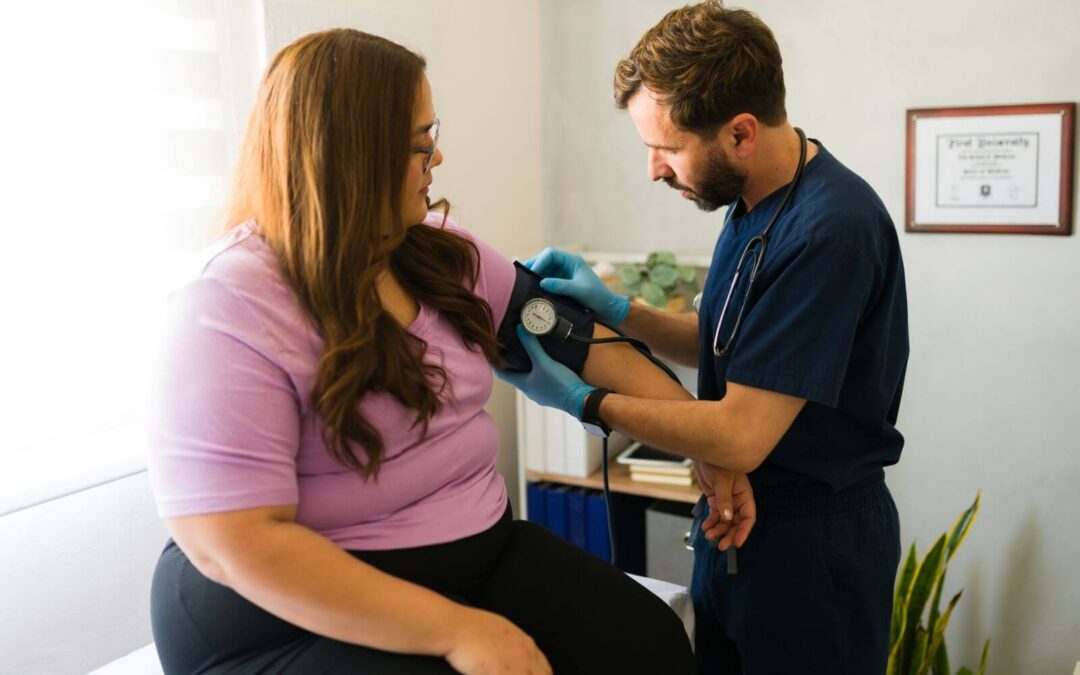
Monitor Blood Pressure
Get your blood pressure checked regularly. Talk with your provider about ways to keep it in a healthy range.
Do you know your numbers?
Knowing your risk for heart disease and stroke starts with knowing your numbers — total cholesterol, blood pressure, blood sugar, and body mass index (BMI). Talk to your doctor about your numbers, what they mean, and what a healthy range looks like for you.
Ideal Numbers for Most Adults
Total Cholesterol
Discuss with your doctor what healthy numbers are for you.
Blood Pressure
Blood pressure numbers less than 120/80 mm Hg are considered within the normal range for non-pregnant individuals.
Blood Sugar
A normal and healthy range for a fasting blood glucose level is lower than 100 mg/dl.
Body Mass Index
The recommended range of BMI is 18.6-24.9.
Total Cholesterol
Discuss with your doctor what healthy numbers are for you.
Blood Pressure
Blood pressure numbers less than 120/80 mm Hg are considered within the normal range for non-pregnant individuals.
Blood Sugar
A normal and healthy range for a fasting blood glucose level is lower than 100 mg/dl.
Body Mass Index
The recommended range of BMI is 18.6-24.9.
Heart Health Checkups
Your primary care provider (PCP) plays an important role in protecting your heart. Schedule a yearly checkup, get labs and other tests (EKG, stress test, imaging) as recommended, and talk with your PCP about any changes in how you feel. Be sure to mention symptoms such as chest pain, fatigue, shortness of breath, dizziness, or nausea. And if you have a family health history of heart disease, tell your doctor. This makes you more likely to develop heart disease yourself.
Ask your PCP to help you stay on track with your heart health—your heart will thank you!
Community First Can Help!
Health & Wellness Programs
Community First Health & Wellness Programs provide education, resources, and rewards* for committing to your health. You can join and opt out at any time.
- Healthy Heart: Blood Pressure Management
- Healthy Living: Lifestyle Management
- Diabetes in Control: Diabetes Management
- Healthy Expectations Maternity Program
Community First Members who participate in our Health & Wellness Programs may also be eligible to receive a four-month YMCA family membership and blood pressure cuff.*
EXERCISE & FITNESS
Join us for free Zumba classes and I-Cycle bicycle safety classes open to all Members and the public.
DIABETES EDUCATION
We’ve partnered with the San Antonio Metropolitan Health District to help men with diabetes manage their symptoms during a free four-week series called Diabetes Garage Workshop. Members who attend at least three classes will receive a loaded toolbox with diabetes supplies.
To find out more about these programs, email healthyhelp@cfhp.com or call 210-358-6055.
*Limitations and restrictions may apply.