
Clinical Contributor to this blog:
Jessica Yao, M.D.Chief Medical Officer
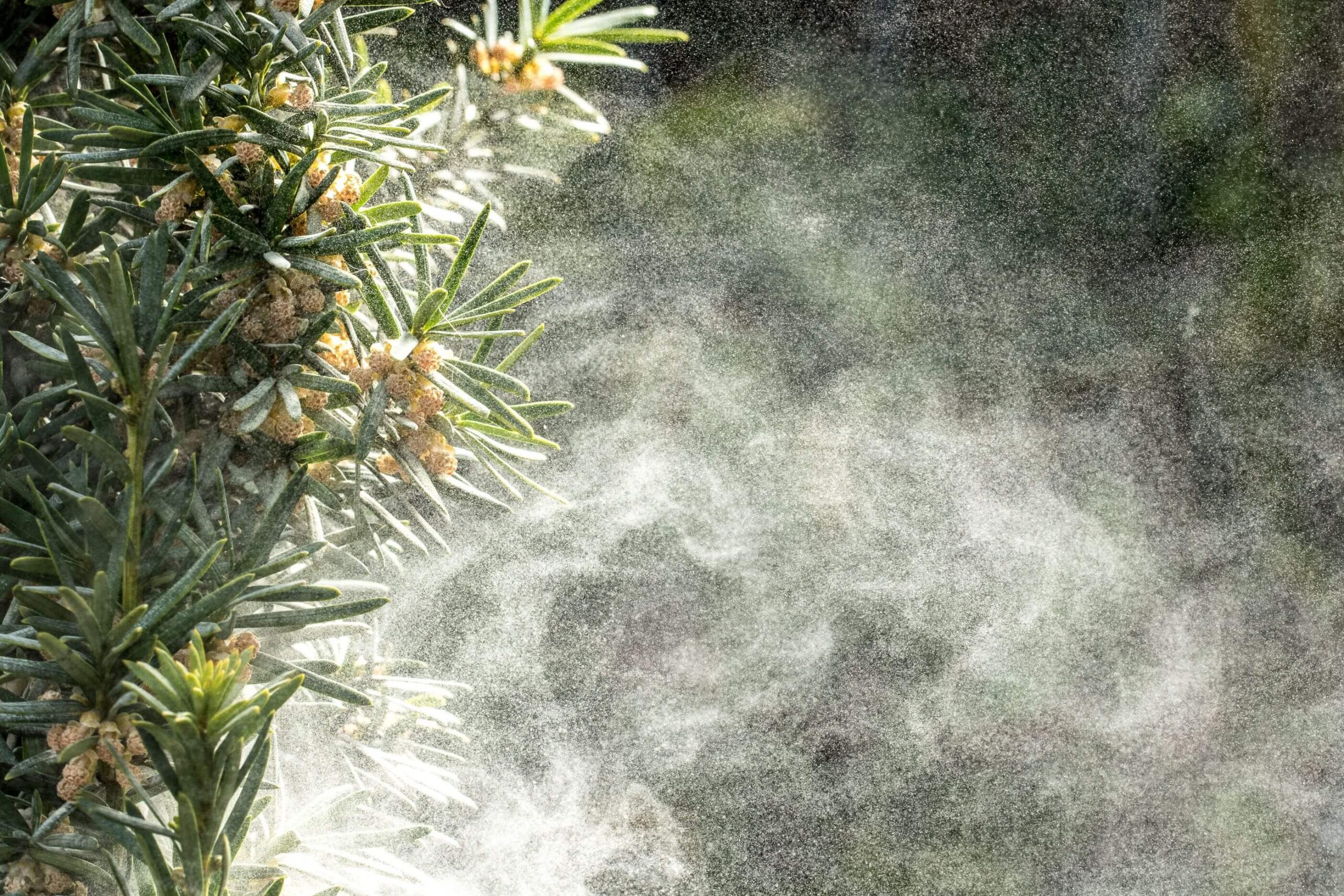
Fall is ALMOST here, and for many people in Texas, that means one thing: it’s sneezin’ season. Allergens like ragweed, mold, mountain cedar, oak, elm, and grass pollen are some of the biggest triggers in our area. In fact, the Asthma and Allergy Foundation of America rates San Antonio as the 4th most challenging city in the U.S. for fall allergy sufferers.
If you are constantly sneezing, rubbing your eyes, or feeling run-down this fall allergy season, you’re not alone. The good news is that there are simple steps you can take to feel better.
Recognizing the Symptoms
A lot of people mistake allergies for a cold, but unlike a cold, allergy symptoms often last for weeks at a time. Common allergy signs include sneezing, a runny or stuffy nose, itchy or watery eyes, and even fatigue. You may have heard the term “cedar fever,” caused by mountain cedar. “Cedar fever” symptoms can be severe, but they do not actually include a fever. See our guide on COVID-19 vs. Flu vs. Allergies for more guidance on how to tell the difference and when to see a doctor.
Allergy Relief
San Antonio’s dry, windy climate allows pollen and mold levels to stay high and spread easily. However, these daily habits can make a difference in your symptoms all year long:
- Track pollen counts and limit outdoor activity on high-pollen days.
- If you need to be outdoors, try to avoid peak pollen times, typically early mornings and early evenings.
- Wear a mask and sunglasses.
- Keep windows closed.
- Shower and change clothes after being outdoors.
- Use a saline (salt water) spray to rinse sinuses and ease congestion.
- Stay hydrated and get enough rest to help your body recover.
- Use over-the-counter allergy medications, such as loratadine or cetirizine, if they are safe for you.
When to See a Doctor
If you experience symptoms for more than two weeks, and they don’t improve with over-the-counter medicines or begin interfering with your sleep or daily life, you should reach out to a health care provider. If you or your kids have asthma, any wheezing or difficulty breathing should ALWAYS be taken seriously! See or call a doctor as soon as possible if you or your kids have asthma and experience difficulty breathing.
How Community First Can Help
Community First is proud to offer programs and services that make allergy and asthma care easier to manage for families across San Antonio and the surrounding regions. Whether you need guidance on scheduling an appointment or specialized asthma education, support is always within reach:
- Contact Member Services if you need help scheduling an appointment or finding an in-network specialist.
- Call our 24/7 Nurse Advice Line for support from a registered nurse who can help you decide where to go to get care.
- Join Community First’s Asthma Matters: Asthma Management Program if you or your child has asthma for resources, support, and rewards for completing healthy actions*.
- Schedule no-cost transportation to and from your child’s medical appointments*.
*Limitations and restrictions apply. Call 210-358-6055 or email healthyhelp@cfhp.com for more information.