
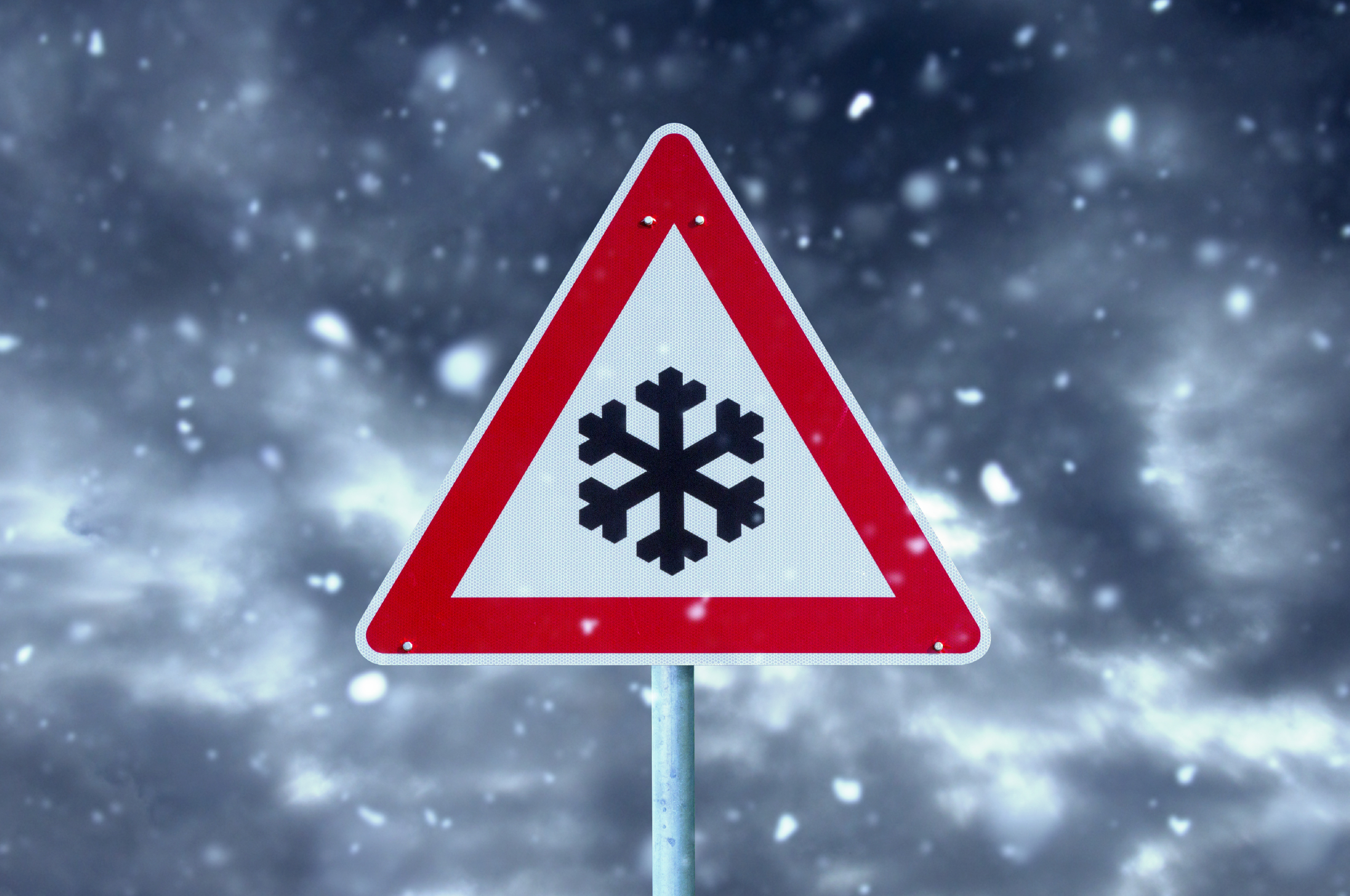
Winter has arrived in South Texas! Winter storms are rare in our area, but it’s wise to prepare for extreme weather. Winter storms can be severe and last anywhere from a few hours to a few days. Here are some recommendations on preparing for colder weather.
How to Prepare for Extreme Weather
- Make Winter Emergency Kits for home and car (details below).
- If you use a medical device or have daily prescriptions, make sure that you have enough to last up to a week.
- Sign up for emergency text alerts from the City of San Antonio.
- Check pipes and external faucets. Wrap them with inexpensive insulation bought from the store or with old sheets or towels.
- Check that your smoke detector and carbon monoxide detector (if you have one) are working.
- Make sure you have a plan for transportation in case you need to leave your home to get to a warming center.
- Charge all phones and electronic devices.
- Cover plants with a sheet or towel or bring them inside.
Winter Emergency Kits
Extreme winter weather is rare in South Texas, but it is essential to prepare for the possibility of winter storms by keeping a winter emergency kit at home and in your car.
For Home
- Warm blankets
- Bottled water
- Non-perishable food (canned, boxed, or dry foods, like soup, beans, pasta, and nuts)
- Pet food
- LED lanterns or flashlights
- Batteries
- Battery-operated phone charger/power bank
- Battery-powered radio
- A manual can opener
- One-week supply of any prescription medications
- Baby formula and Diapers
- Pet food
- Feminine hygiene products (pads or tampons).
For Car
- Warm blankets
- Bottled water
- Hand warmers
- Battery jumper cables
- A tool to break windows and cut seat belts
- Items that can help people see or find you (for example, a bright orange vest)
- A flare or distress banner to signal for help
- Gloves
- A tow rope
- LED flashlight or lantern
- Ice scraper
- High protein snacks like peanut butter
- A first aid kit.
Tips to Stay Warm
- Stay indoors.
- Dress warmly in layers (long sleeve shirt with a sweater, sweatshirt, or flannel on top, plus an outer layer like a winter coat or jacket).
- Wear a hat (even indoors), gloves, scarf, warm socks, and boots or other close-toed shoes.
- If you lose power or don’t have electricity or heat, go to a room without a wall or window to the outside, and close the door. Close off unneeded rooms and place towels or rags under the doors.
Always bring pets inside during extreme cold!
Warning!
- Never use a cooking range or oven to heat your home.
- Never leave a fire burning in the fireplace unattended.
- If using a space heater, never leave it unattended. Turn it off every time you leave the room. Make sure it is on a flat surface (not carpet or a rug) and away from bedding or curtains.
Tips to Stay Healthy in Winter
It’s easy to forget to take care of ourselves, especially during winter. Try these tips to stay healthy during the winter:
Get enough sleep
Sleep is a major factor in maintaining a better mood, sharper mental focus, and more energy. Getting enough sleep may help prevent health issues, including dementia and strokes.
Dress Warm
Wearing several thin layers and covering your head and neck are the most effective ways to stay warm. Take breaks indoors whenever possible and do not let children stay outside for too long.
Exercise
Exercising gets your heart pumping. If it’s too cold to exercise outside, you can dance or do floor exercises (such as stretching) indoors.
Wash your hands!
Protect yourself from colds, flu, and other winter germs by washing your hands frequently with soap and water.
Hydrate
Our bodies need water even when we are not thirsty. In the winter, people can easily become dehydrated due to the heat and dry air inside many homes, schools, offices, and public buildings. Dehydration can cause headaches, dry mouth, dizziness, dry skin, and more serious issues, including brain fog, fatigue, or injuries.
Eat Healthier
Try to eat more foods with vitamin C (like fruit and broccoli) and Vitamin D (from eggs, fatty fish, and mushrooms) to help keep your immune system strong during winter cold and flu season.
Taking Care of Others in Winter
Check on family members or neighbors
Children, senior citizens, and people with disabilities are more likely to have problems in cold weather.
Bring your pets inside
If it’s too cold for you, it’s too cold for them to be outside. It’s illegal in Texas to leave pets outside in extreme weather.
How We Can Help
Community First is committed to supporting our community as we deal with extreme weather conditions. For important updates and information for Community First Members, please click here.
Member Services: 1-800-434-2347
Member Services: 1-855-607-7827 | Service Coordination: 210-358-6403
(STAR Kids and STAR+PLUS Members can also contact their Service Coordinators Directly.)
Member Services: 1-833-434-2347
Member Services: 1-888-512-2347
Member Services: 1-800-434-2347
Additional Community Resources & Safety Tips
Safety Tips
- Texas Ready – Winter Storm Safety Tips
- Check Road Conditions
- Preparedness Tips for Texans
- Winter Weather Preparedness Guide (ENG)
- Winter Weather Preparedness Guide (SPAN)
- American Red Cross Heater Safety Tips
- Generator Safety
- Texas General Land Office Winter Weather Preparedness
- University Health Cold Weather Safety and Injury Prevention
- Winter Storms: Tips for Preparing Your House and Pipes